All Systems
Fire Protection System

Kitchen Hood Suppression Systems

Kitchen hood suppression system: automatically detects grease fires in pans, fryers, filters and flues in commercial kitchens and extinguishes them with a wet chemical agent.

In short: A kitchen hood suppression system automatically detects grease fires in commercial kitchens, at pans, fryers, grills, filters and flue lines, using detectors inside the hood, and extinguishes them with a chemical agent. It is used in hotel, hospital, school and shopping center kitchens. Özaydın Yangın handles supply, installation and periodic maintenance from a single source.

Automatic detection inside the hoodWet chemical agent systemProtection for pans, fryers, grills and fluesSupply, installation and periodic maintenance from one source
Kitchen Hood Suppression Systems
4 solution types
01 — Overview

About the system

Our engineering approach to this part of fire safety, and the details that matter.

Kitchen hood suppression systems are used for fire safety in commercial kitchens. Grease that builds up over time on pans, fryers, flue openings and inside flues becomes a potential fire threat when not cleaned periodically. A small kitchen fire that is not controlled can spread through the whole building, causing property damage as well as loss of business and service.

Detectors inside the hood activate the system automatically, and the system responds with a wet chemical agent to a fire in the hood, filter, range, flue, fryer and grill areas. Protection points are determined by the cooking equipment under the hood and the flue line.

Supply, installation and periodic maintenance of wet chemical kitchen hood suppression systems are carried out by Özaydın Yangın's experienced staff; designs are prepared to international standards. They are used in restaurants, hotels, hospitals, schools, shopping centers and commercial kitchens.

02 — Solution Types

4 solutions, each for a specific need

Engineered system options selected by occupancy, hazard class and building architecture, backed by design calculations.

01

Automatic Detection Inside the Hood

Detectors inside the hood spot the fire early and activate the system without waiting for human intervention.

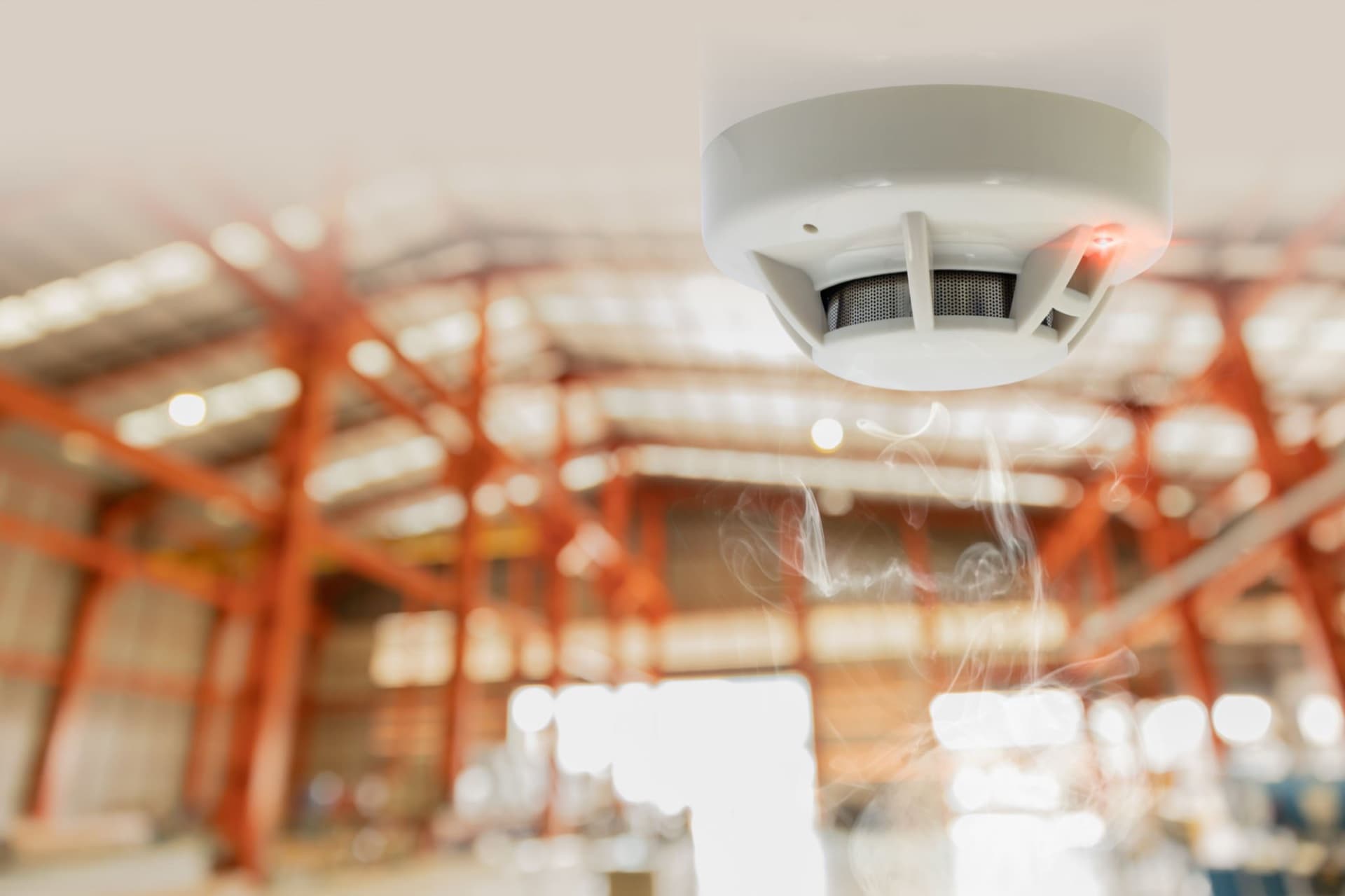
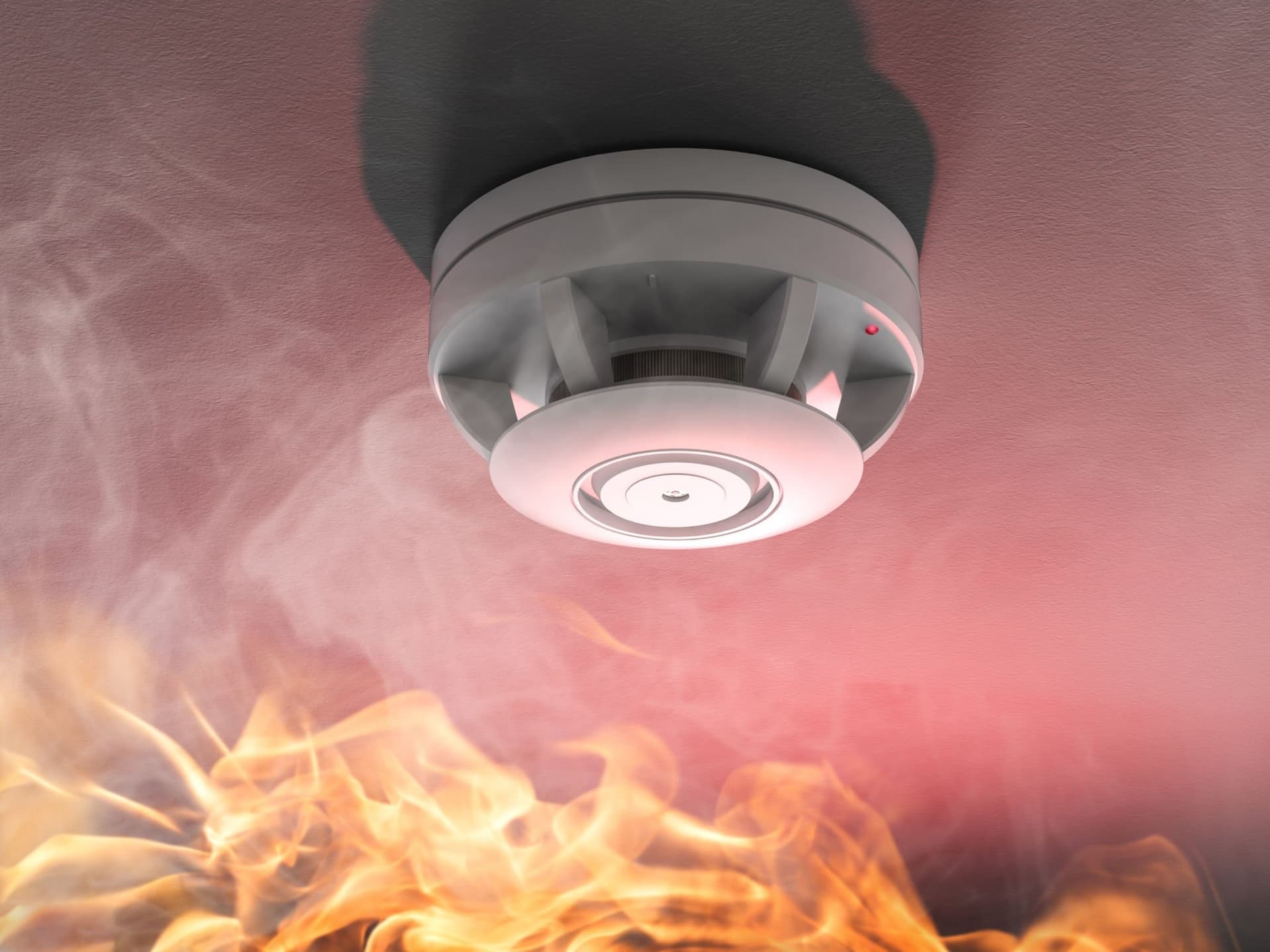
The system works with detectors placed inside the hood. When a grease fire starts in the hood, filter, range, flue, fryer or grill area, the detection mechanism activates the system automatically.

Because grease fires can grow quickly, automatic detection starts the first response without waiting for staff to act. Details such as manual activation and integration with other fire alarm systems are set according to the project.
Automatic Detection Inside the Hood
Kitchen Hood Suppression Systems
02

Wet Chemical Agent Unit

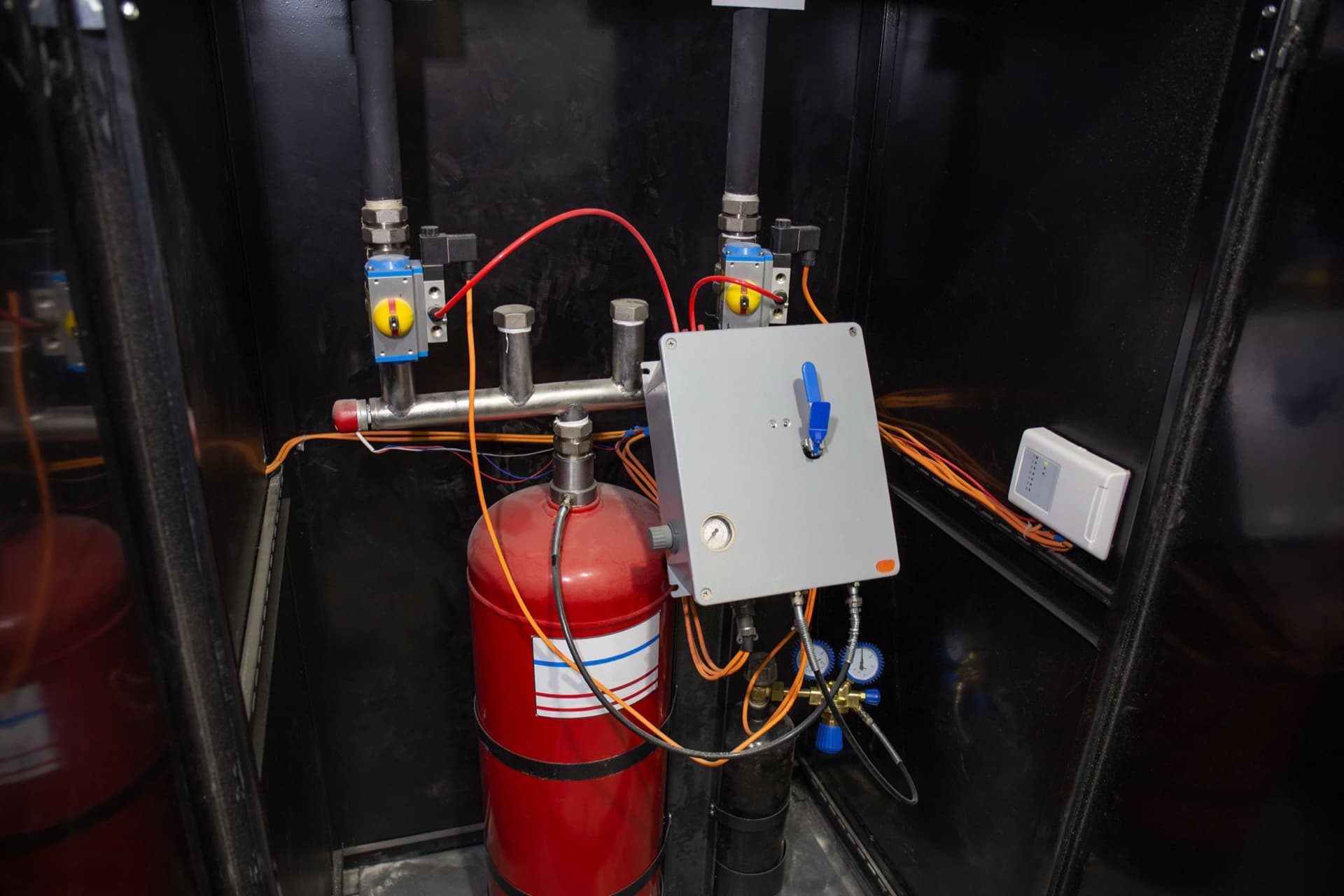
The tank, piping and nozzle arrangement that stores the wet chemical agent for grease fires and delivers it to the protection points.

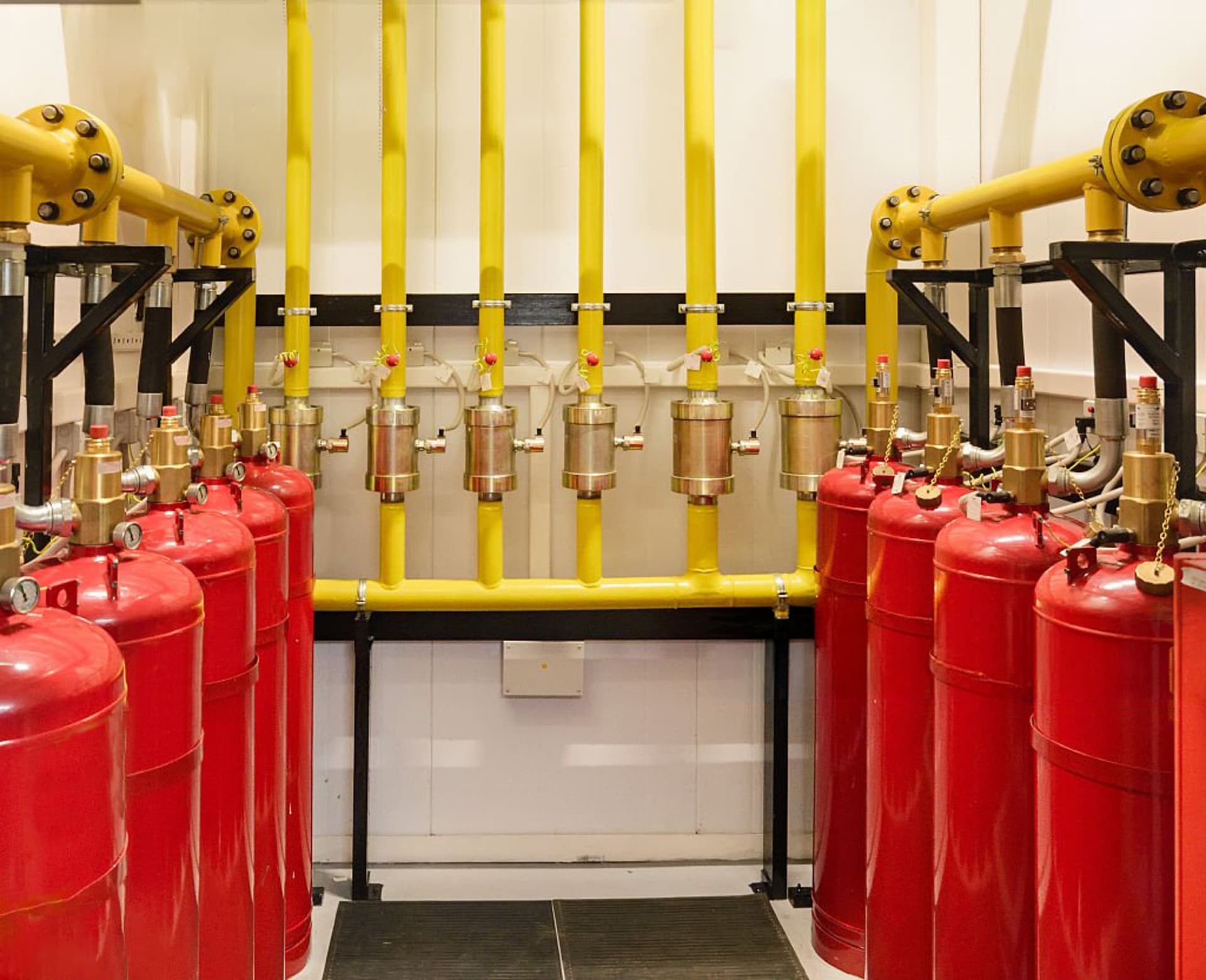
The wet chemical agent is stored in the unit and delivered through piping to nozzles in the hood, filter, range and flue areas. Nozzle layout is designed around the type and dimensions of the cooking equipment and the hood geometry.

The system is designed to international standards. Additional measures at the moment of suppression, such as cutting off energy to the range or fryer, are evaluated at the design stage according to the kitchen's equipment layout.

Wet Chemical Agent Unit
Kitchen Hood Suppression Systems
03

Hotel and Commercial Kitchen Applications

Protection against grease fire risk in hotel, hospital, school and shopping center kitchens.

Kitchens in hotels, hospitals, schools and shopping centers are areas where fire risk is constant because of heavy cooking loads and grease buildup. Since a fire in these kitchens can spread to other parts of the building, first response at the hood level is critical.

The scope of application is set during the site survey: the number of hoods, cooking equipment, the flue line and the building's existing fire detection infrastructure are evaluated together.

Hotel and Commercial Kitchen Applications
Kitchen Hood Suppression Systems
04

Periodic Maintenance and Service

Periodic maintenance by Özaydın staff to keep the kitchen hood suppression system ready to run at any moment.

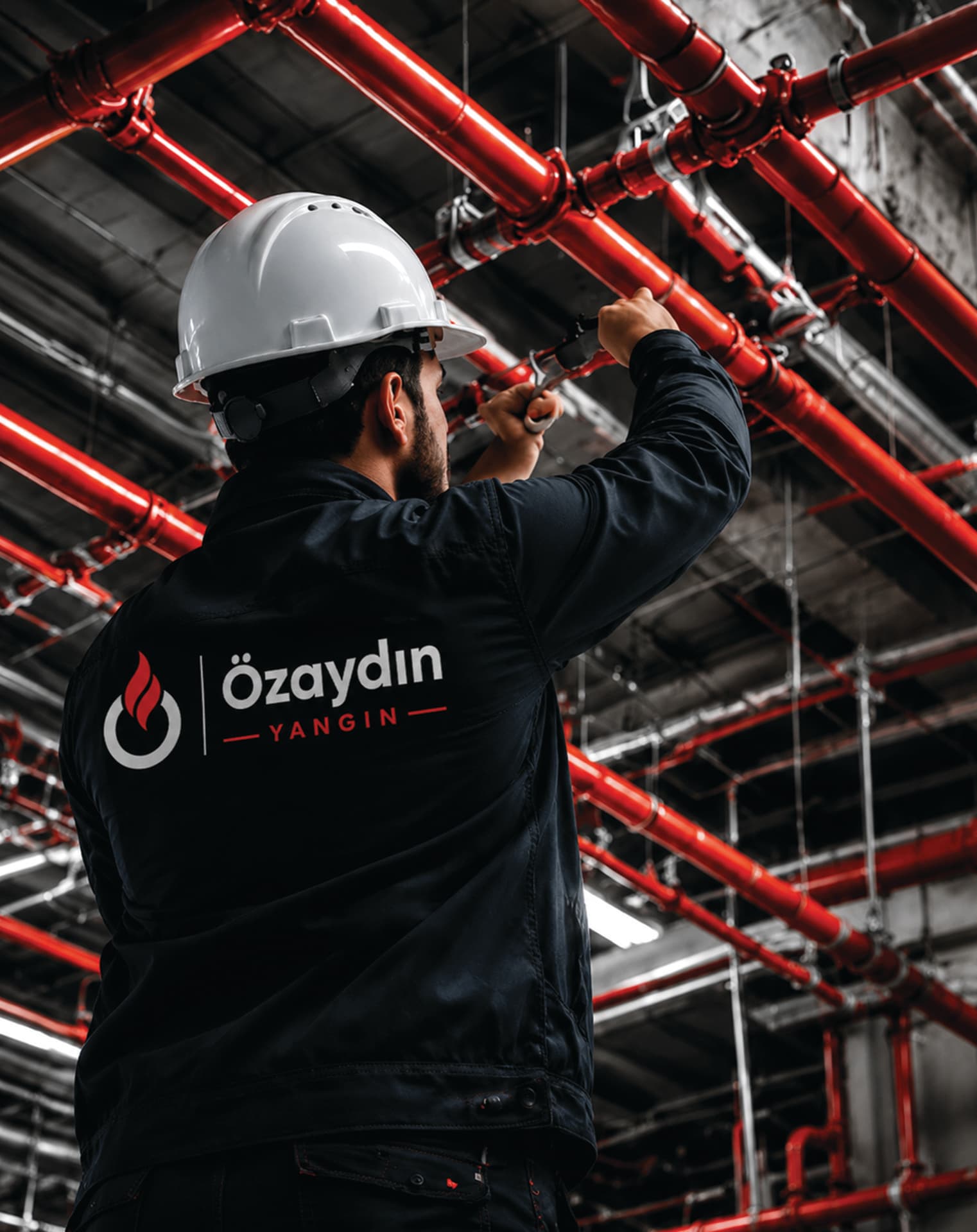
Supply, installation and periodic maintenance of kitchen hood suppression systems are carried out by Özaydın Yangın's experienced staff. This way the system's design, installation and continuity are handled through a single point of contact.

Besides the system itself, regular cleaning of the kitchen exhaust line also determines fire risk; accumulated grease continues to pose a fire threat when not cleaned periodically.

Periodic Maintenance and Service
Kitchen Hood Suppression Systems
Frequently Asked Questions

Kitchen Hood Suppression Systems: frequently asked questions

Which kitchens need a kitchen hood suppression system?

A hood suppression system is recommended in all commercial kitchens with heavy cooking loads and grease build-up, including hotel, hospital, school, shopping center and restaurant kitchens; the requirement depends on occupancy class and the relevant regulatory thresholds. Separate chemical suppression for hood and fryer is common in commercial kitchens.

What determines the cost of a kitchen hood suppression system?

Cost depends on the number of hoods, the number and type of cooking appliances (range, fryer, grill), flue line length, number of nozzles, and the need to integrate with existing fire detection. Nozzle placement is finalized at the design stage according to hood geometry and appliance dimensions.

How often should a kitchen hood suppression system be maintained?

The chemical suppression unit and nozzles should be inspected at regular intervals so the system is always ready to operate. Regular cleaning of the kitchen exhaust line matters as much as the system itself; accumulated grease remains a fire hazard of its own if it is not cleaned periodically.

How does a kitchen hood suppression system activate?

Detectors placed in the hood activate the system automatically when a grease fire starts in the pan, filter, range, flue or fryer area; no staff intervention is needed. The chemical agent travels through the pipe network to the relevant nozzles and is applied directly at the fire. A manual release option can be added depending on the project.

Which standards are kitchen hood suppression systems designed to?

System design follows international standards, and protection points are determined by the cooking appliances under the hood and the flue line. Additional measures, such as automatically cutting range or fryer energy at discharge, are evaluated at the design stage according to the kitchen's equipment layout.

Let's map your facility's fire protection together.

Free site survey, hydraulic analysis and a fast quote. Our team can be on your site within 48 hours.