
All Systems
Fire Protection System

Fire Hydrant Systems

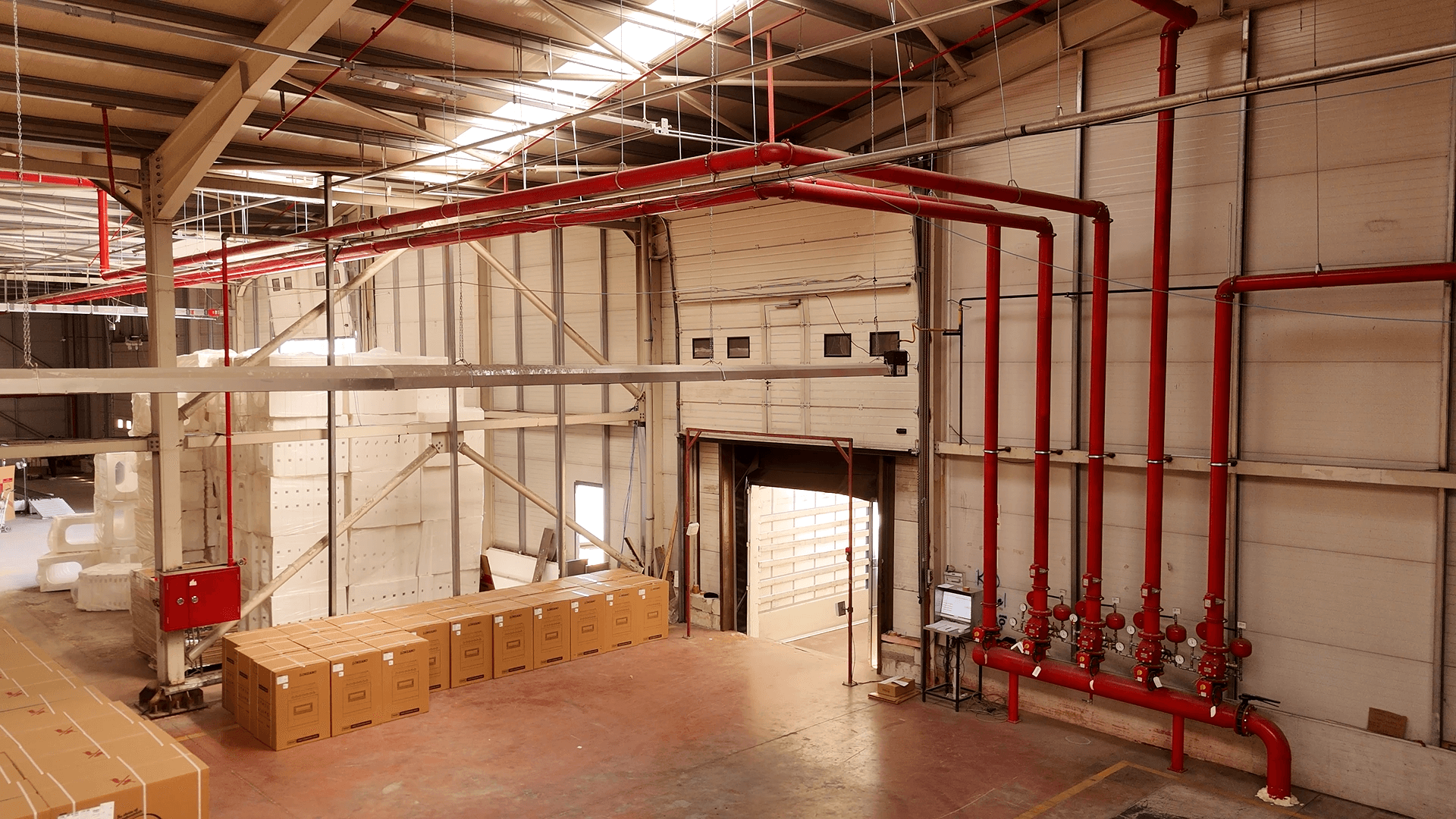
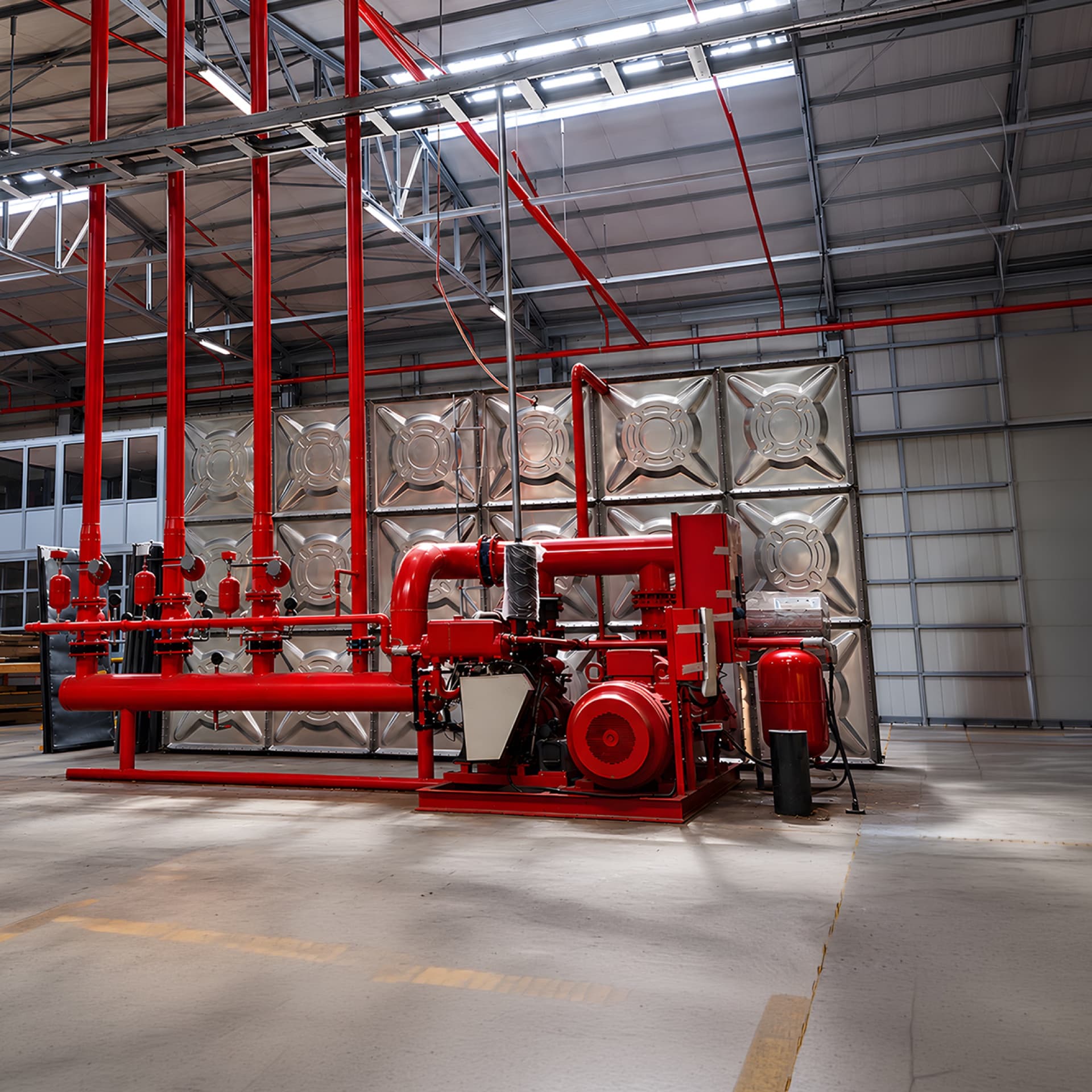
Fire hydrant lines and infrastructure, built with properly engineered piping and HDPE pipe technology, create a reliable firefighting network across the facility.

In short: A fire hydrant system is a piping network of underground or above-ground outlets that lets fire services and site crews draw water outside buildings or in open areas. It is typically built with HDPE pipe and fed by the fire pump set. Özaydın Yangın designs hydrant lines with hydraulic calculations and burial depths suited to the facility's size and climate.

HDPE underground pipingDesign based on hydraulic calculationsValve chambers and control pointsScalable capacity
Fire Hydrant Systems
3 solution types
01 — Overview

About the system

Our engineering approach to this part of fire safety, and the details that matter.

For fire hydrant systems to work reliably, they depend on properly engineered piping infrastructure. The main distribution lines are designed with the capacity to carry pressurized water from the fire pump set safely to every hydrant point across the facility. Pipe diameters, flow rates and pressure losses are determined by hydraulic calculation so that adequate performance is achieved at every point in the system.

HDPE (high-density polyethylene) pipes are preferred for hydrant infrastructure thanks to their high mechanical strength, long service life and superior corrosion resistance. Used reliably in underground applications in particular, HDPE pipes are minimally affected by ground movement thanks to their flexibility and deliver dependable performance for many years without maintenance.

Pipelines are laid at a depth that prevents frost, taking the region's climate into account. Depending on the facility's size and the hydraulic calculations, different pipe diameters are used so that water reaches every hydrant point at adequate flow and pressure. Valve chambers and control points are also planned into the project so that maintenance and any intervention can be carried out easily.

The HDPE piping infrastructure, which works together with the fire pump set and water tank, is engineered to meet not only current needs but also any future capacity increase at the facility. The result is an uninterrupted, reliable, high-performance firefighting network across the entire site.

02 — Solution Types

3 solutions, each for a specific need

Engineered system options selected by occupancy, hazard class and building architecture, backed by design calculations.

01

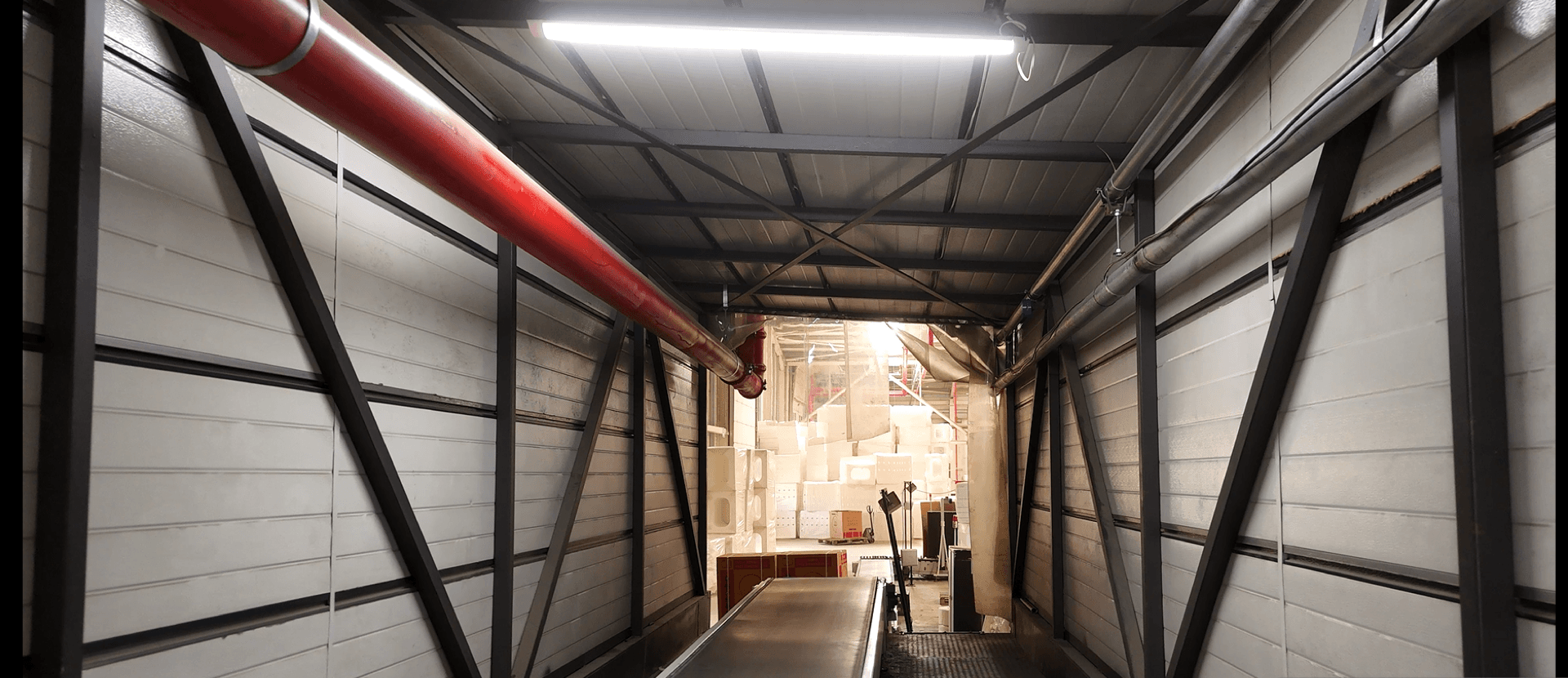
Main Distribution Lines

The main piping network that carries pressurized water from the fire pump set safely to every hydrant point across the facility.

The main distribution lines are designed with the capacity to carry pressurized water from the fire pump set safely to every hydrant point across the facility. Pipe diameters, flow rates and pressure losses are determined by hydraulic calculation so that adequate performance is achieved at every point in the system.

Different pipe diameters are used depending on the facility's size and the hydraulic calculations. While each hydrant point receives water at adequate flow and pressure, the main line is planned to be scalable so it can accommodate future capacity increases.
Main Distribution Lines
Fire Hydrant Systems
02

HDPE Pipe Infrastructure

A long-lasting, low-maintenance solution for underground applications, with high mechanical strength and corrosion resistance.

HDPE (high-density polyethylene) pipes are preferred for hydrant infrastructure thanks to their high mechanical strength, long service life and superior corrosion resistance. Used reliably in underground applications in particular, they are minimally affected by ground movement thanks to their flexibility.

HDPE pipes deliver dependable performance for many years without maintenance and are laid at a depth that prevents frost, taking the region's climate into account. This protects the system against both freezing and mechanical impact.

HDPE Pipe Infrastructure
Fire Hydrant Systems
03

Valve Chambers and Control Points

Strategically located service areas that make maintenance and any intervention easy to carry out.

Valve chambers and control points are planned into the project so that maintenance and any intervention can be carried out easily. Each point is designed in a location and size that gives technical crews quick access.

The HDPE piping infrastructure, which works together with the fire pump set and water tank, is engineered to meet not only current needs but also any future capacity increase at the facility.

Valve Chambers and Control Points
Fire Hydrant Systems
Frequently Asked Questions

Fire Hydrant Systems: frequently asked questions

Which facilities are required to have a hydrant system?

A hydrant system is generally mandatory for facilities with an enclosed area above 5,000 m²; the exact threshold may vary with occupancy class and the relevant articles of BYKHY (Turkish Fire Protection Regulation). In large-campus factories, logistics centers and organized industrial zone plots, a hydrant network is provided as an external response line in addition to indoor systems. The full scope is confirmed during site survey and design.

What determines the cost of a hydrant system?

Cost depends on line length, pipe diameter (DN100-DN200), burial depth, number of hydrant points, number of valve chambers and control points, and excavation and soil conditions. High-hazard facilities may need closer hydrant spacing, which increases total line length and cost. The final amount is set from the hydraulic calculation and the site sketch.

How often should a hydrant system be maintained?

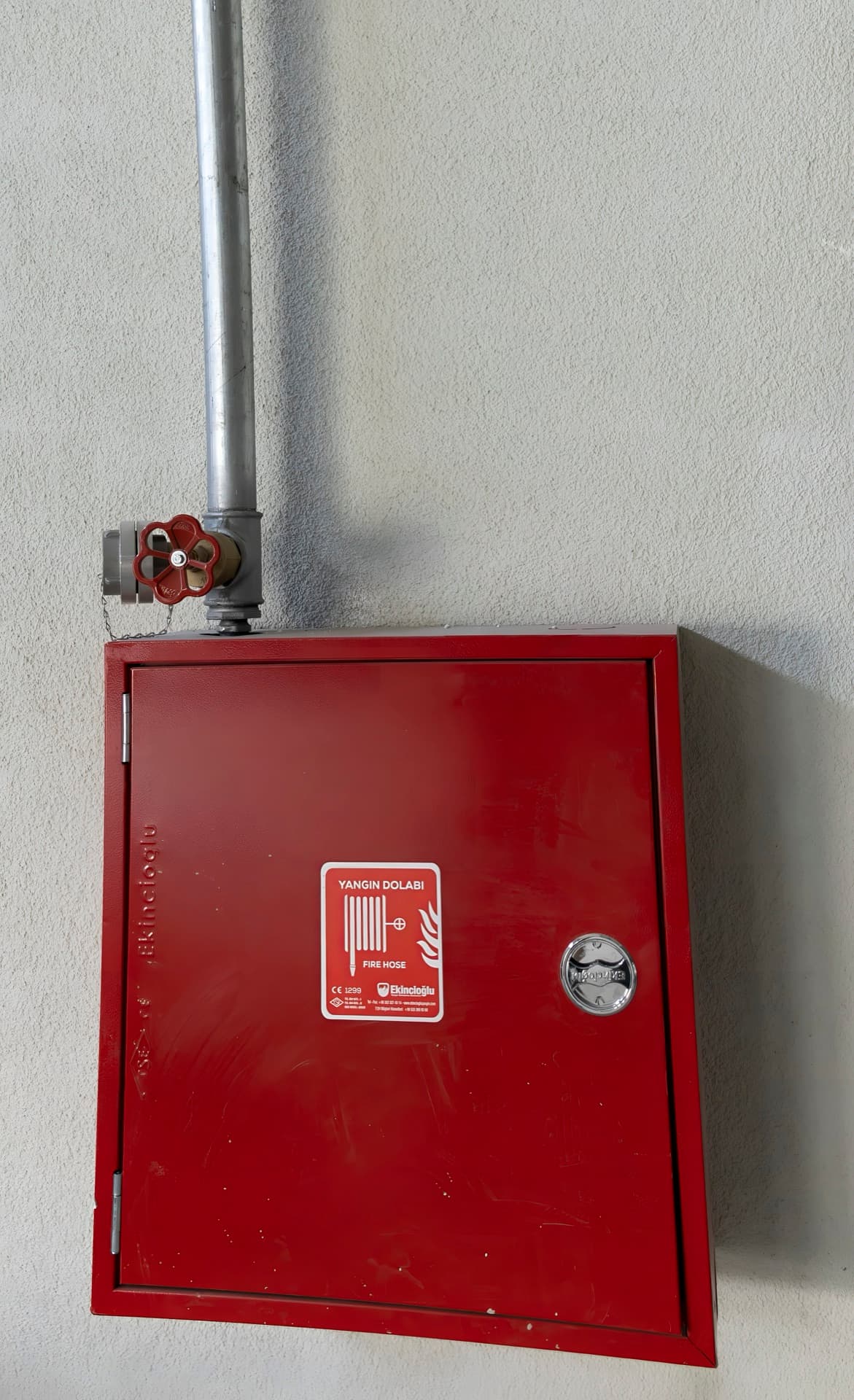
Hydrant valves and site hose cabinets should be function-tested at least once a year, covering opening and closing, hose connection and pressure; valve chamber accessibility should be confirmed with more frequent visual checks. On underground lines, signs of leakage and pressure loss are tracked with periodic pressure tests. These checks ensure the hydrant network works without interruption in a fire.

Which standards are hydrant systems designed to?

Hydrant lines are designed on hydraulic calculation; HDPE is preferred for its corrosion resistance and flexibility, and burial depth is set between 80 and 100 cm depending on the region's frost risk. Hydrant spacing varies with hazard class: closer points in high-risk areas, wider in low-risk areas. The design follows BYKHY (Turkish Fire Protection Regulation) and the relevant TS EN principles and is submitted for fire department approval.

How long does hydrant installation take?

Duration depends on line length, excavation conditions, soil structure and the number of valve chambers. HDPE's flexibility speeds up installation, but on large campuses excavation and utility coordination are the main factors extending the schedule. Özaydın Yangın shortens total project time by running hydrant excavation and line installation in parallel with sprinkler and fire hose cabinet work.

Facilities where we installed fire hydrant systems

A selection of reference projects where we designed and commissioned this system.

Dr DizaynMy Home MobilyaLark GıdaBerre AmbalajEfal MobilyaOkra Masa SandalyeRado MobilyaÖdül TrophyMizanlar MobilyaUMT AhşapCeylan Madeni YağlarErten İplik

Let's map your facility's fire protection together.

Free site survey, hydraulic analysis and a fast quote. Our team can be on your site within 48 hours.