All Systems
Fire Protection System

SRT Automatic Fire Suppression Robot

SRT automatic fire suppression robot: a suppression device for large volumes that locates the fire source with a UV/IR detector, aims at it and discharges water or foam.

In short: The SRT automatic fire suppression robot combines a heat detector with UV/IR detection to locate a fire source, aim at it and discharge water or foam automatically. It is used in large, high-volume areas such as factories, tunnels, warehouses and terminals, where point sprinkler heads are hard to apply. It can run in fully automatic, remote or local manual mode.

UV + IR detector sensingAutomatic aiming at the fire sourceFully automatic, remote and on-site manual modesSuppression with water or foam
SRT Automatic Fire Suppression Robot
4 solution types
01 — Overview

About the system

Our engineering approach to this part of fire safety, and the details that matter.

The SRT (Safe Robot Technology) automatic fire suppression robot is an automatic suppression device that monitors the defined protection area 24/7 and, when it detects a fire, aims at the source and discharges water or foam. It combines a heat detector with infrared/ultraviolet detection technology to identify fire conditions.

When the device detects a fire, it scans horizontally and vertically to determine the direction of the fire source, sends a command to the central panel to raise a fire alarm signal and at the same time opens the solenoid water valve so the pump runs. Once the fire is out, water discharge stops; the surroundings are checked for cooling, and if there is a new fire source the process repeats. When needed, all of these operations can also be done manually from the control panels.

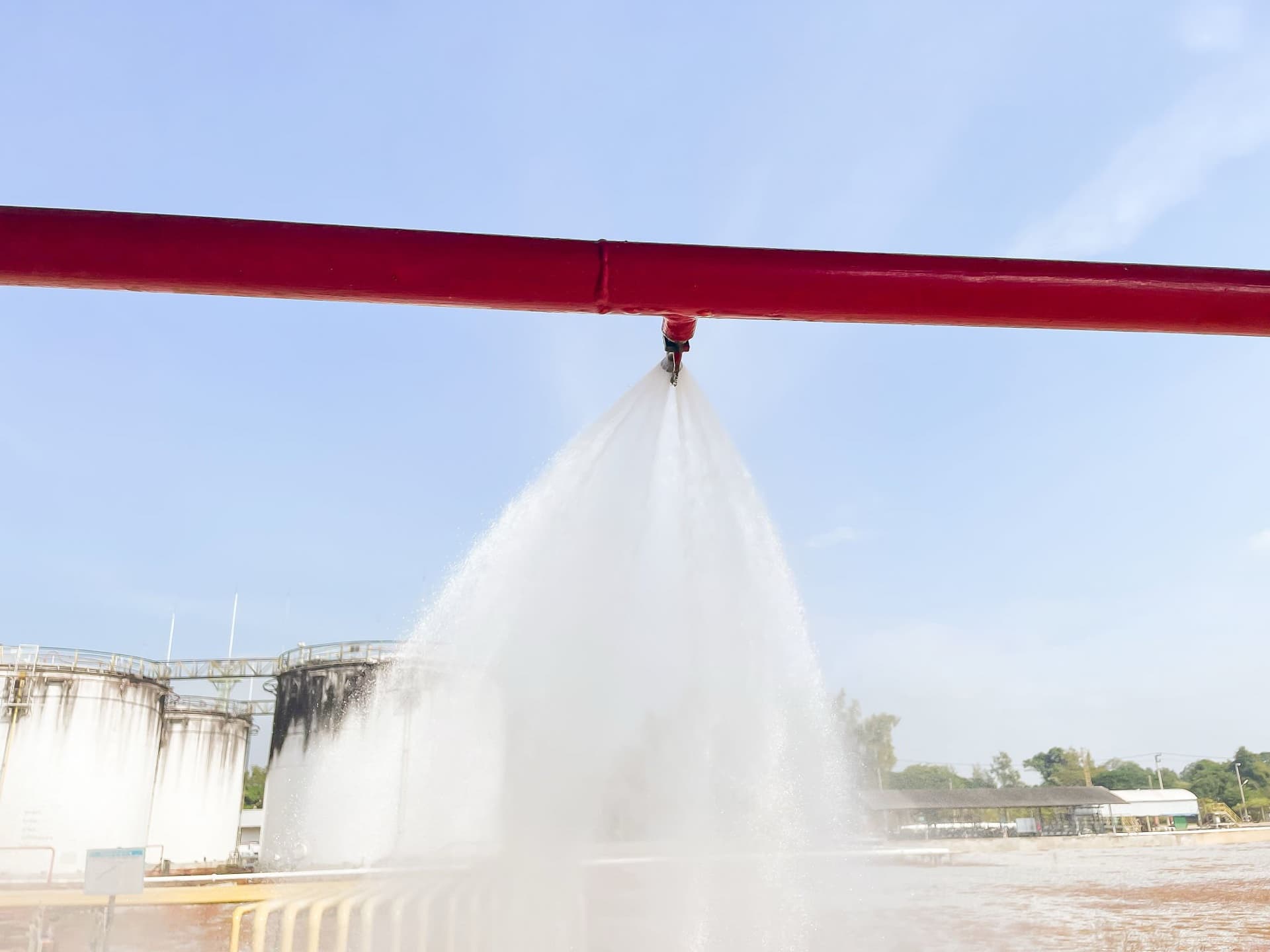
The water jet is a long-range solid-stream type. It is used in large, high-volume areas such as factories, airports, road and rail tunnels, terminal buildings, storage areas, schools, sports halls, car parks, hospitals and shopping centers.

02 — Solution Types

4 solutions, each for a specific need

Engineered system options selected by occupancy, hazard class and building architecture, backed by design calculations.

01

Detection and Positioning

A monitoring and aiming mechanism that combines a heat detector with ultraviolet/infrared detection and turns to the fire source.

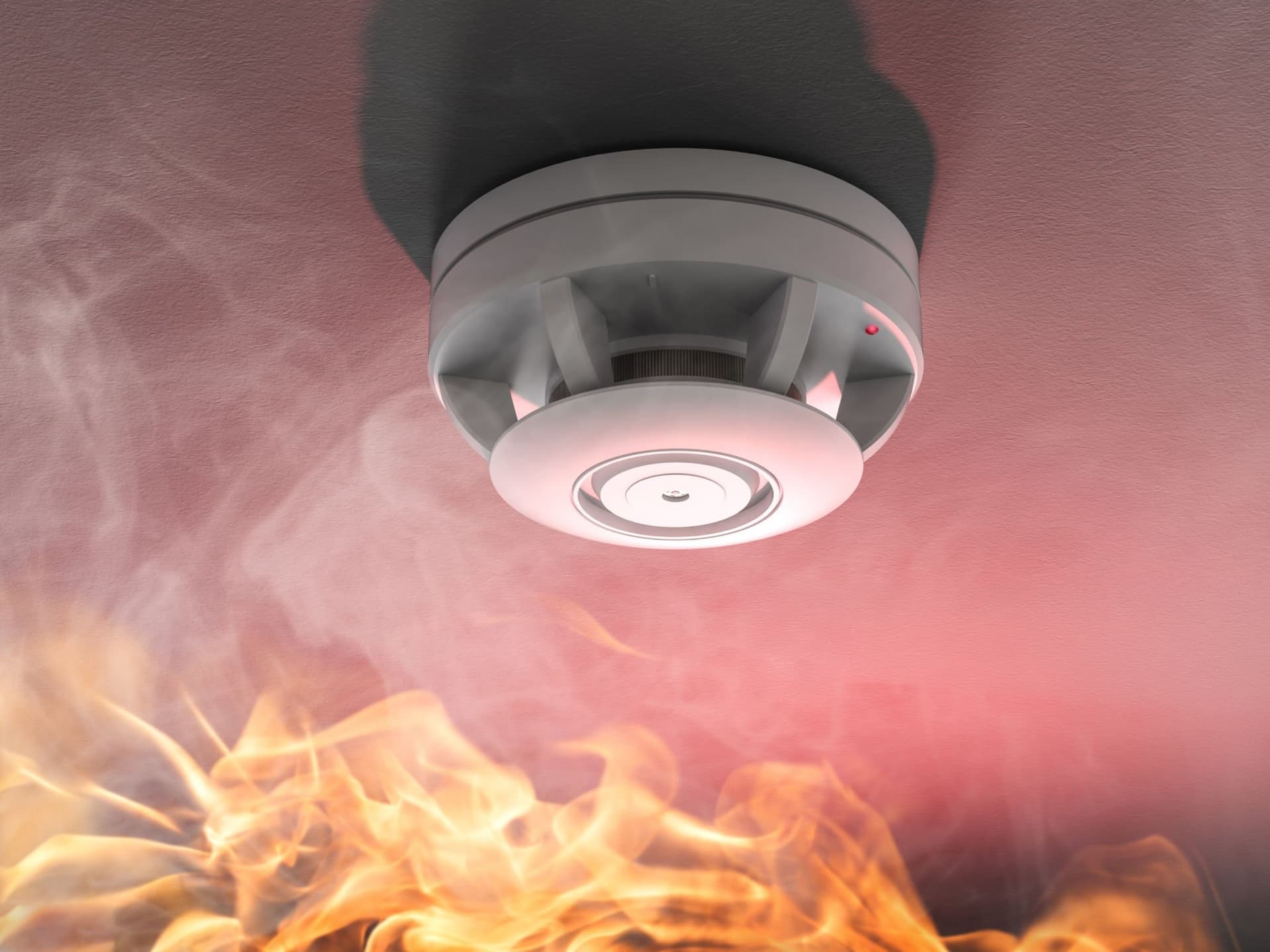
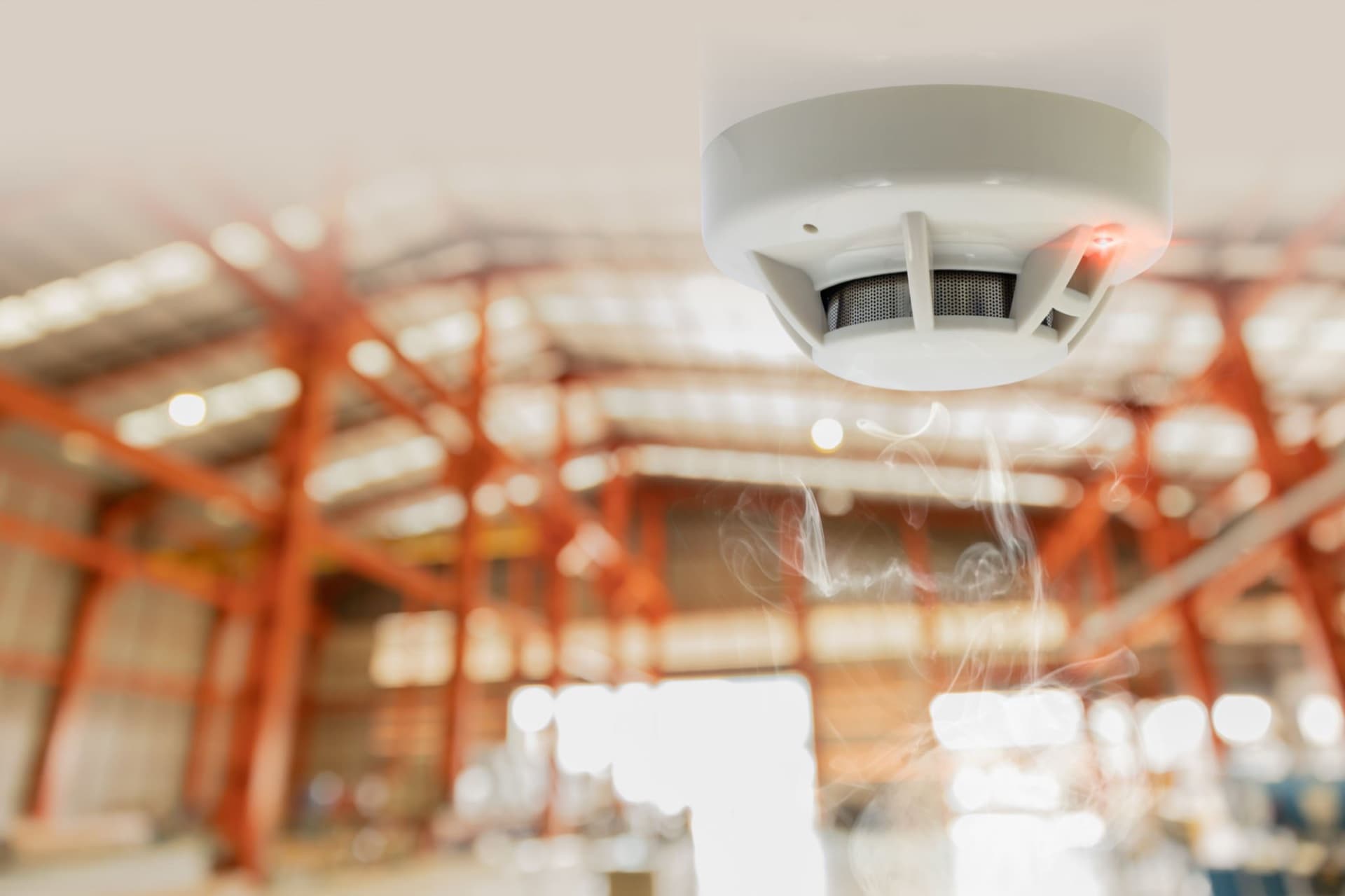
The device monitors the protection area continuously. A heat detector and infrared/ultraviolet detection technology are used together; when a condition matching fire values is detected, a signal is sent to the control panel.

According to the technical data, the device can rotate more than 360° horizontally and moves between -90° and +30° vertically, and positioning time does not exceed 30 seconds. Maximum monitoring radius is 50 m, and the recommended installation height is 6–15 m.
Detection and Positioning
SRT Automatic Fire Suppression Robot

02

Water and Foam Discharge

Long-range, solid-stream water or foam discharge fed through a solenoid valve and fire pump.

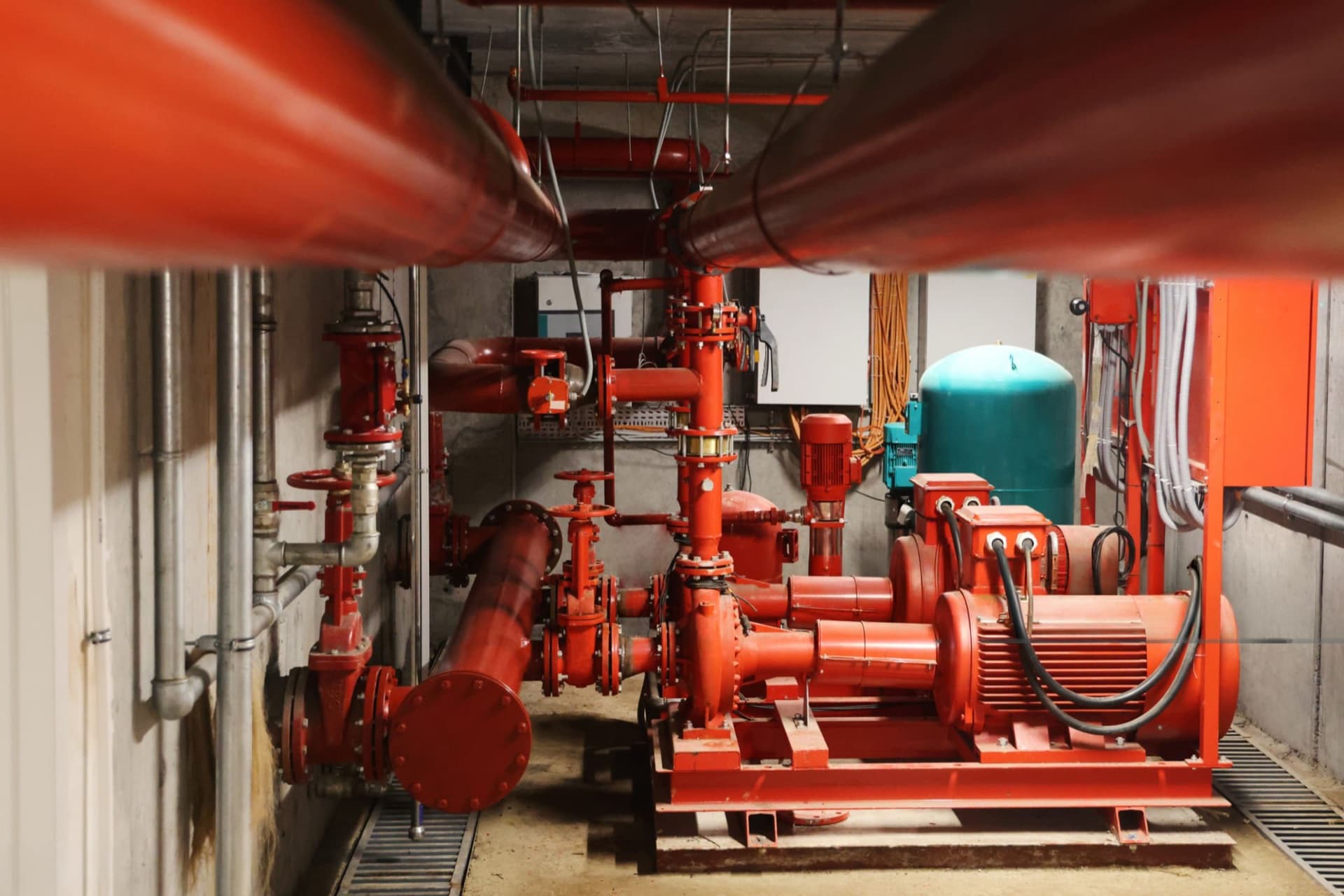
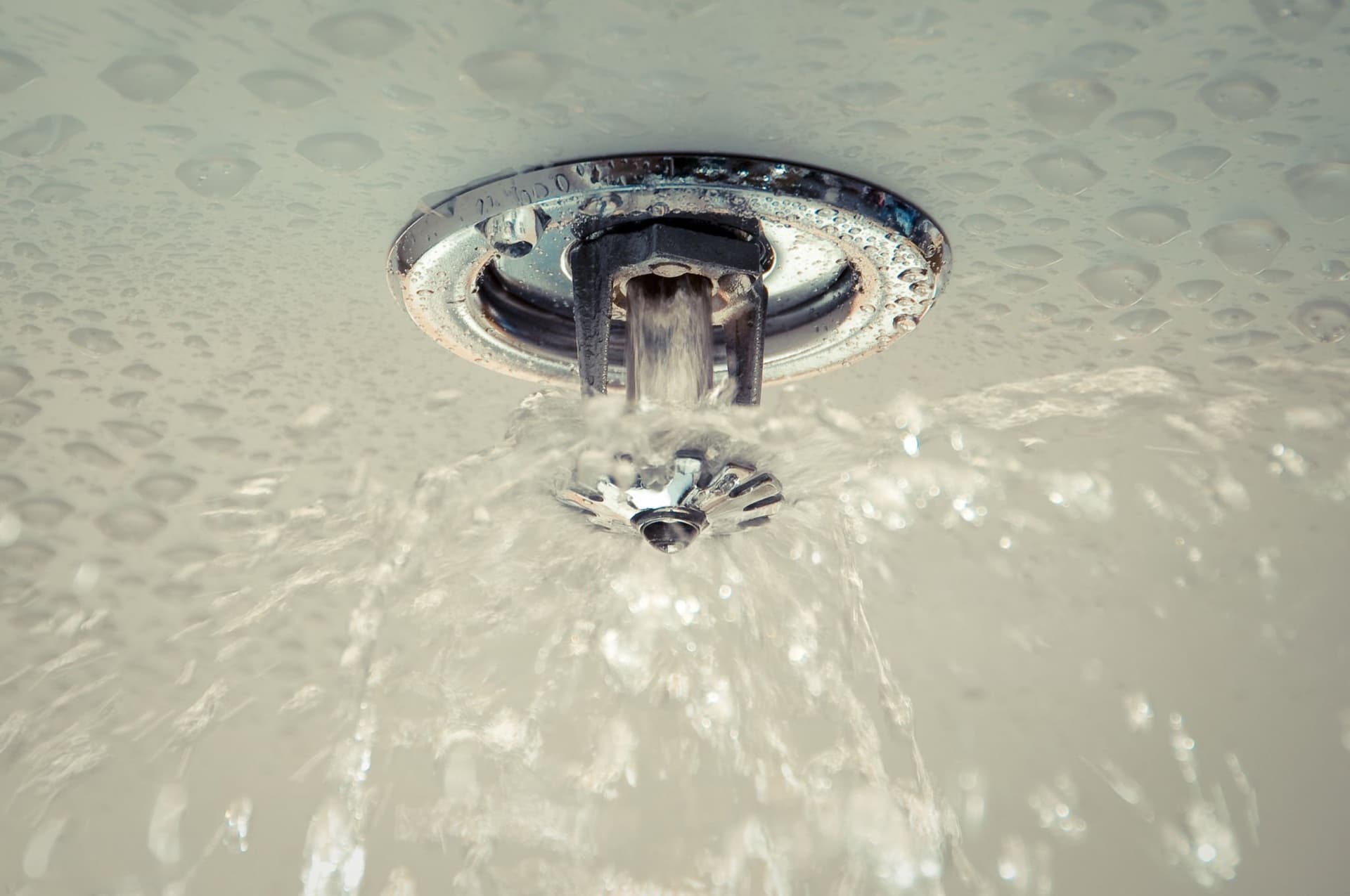
When a fire is detected, the solenoid water valve opens, the fire pump starts and the device begins discharging water or foam at the fire source. The water jet is a long-range solid stream, giving a wide protection range.

There are two models; operating pressure is between 6 and 8 bar depending on the model. For foam discharge, a suitable agent and proportioning equipment are used. Project-specific range and flow values are finalized at the site survey and hydraulic calculation stage.

Water and Foam Discharge
SRT Automatic Fire Suppression Robot

03

Control Panel and Remote Control

The control panel that manages the device and solenoid valve, with optional computer-based central monitoring and control.

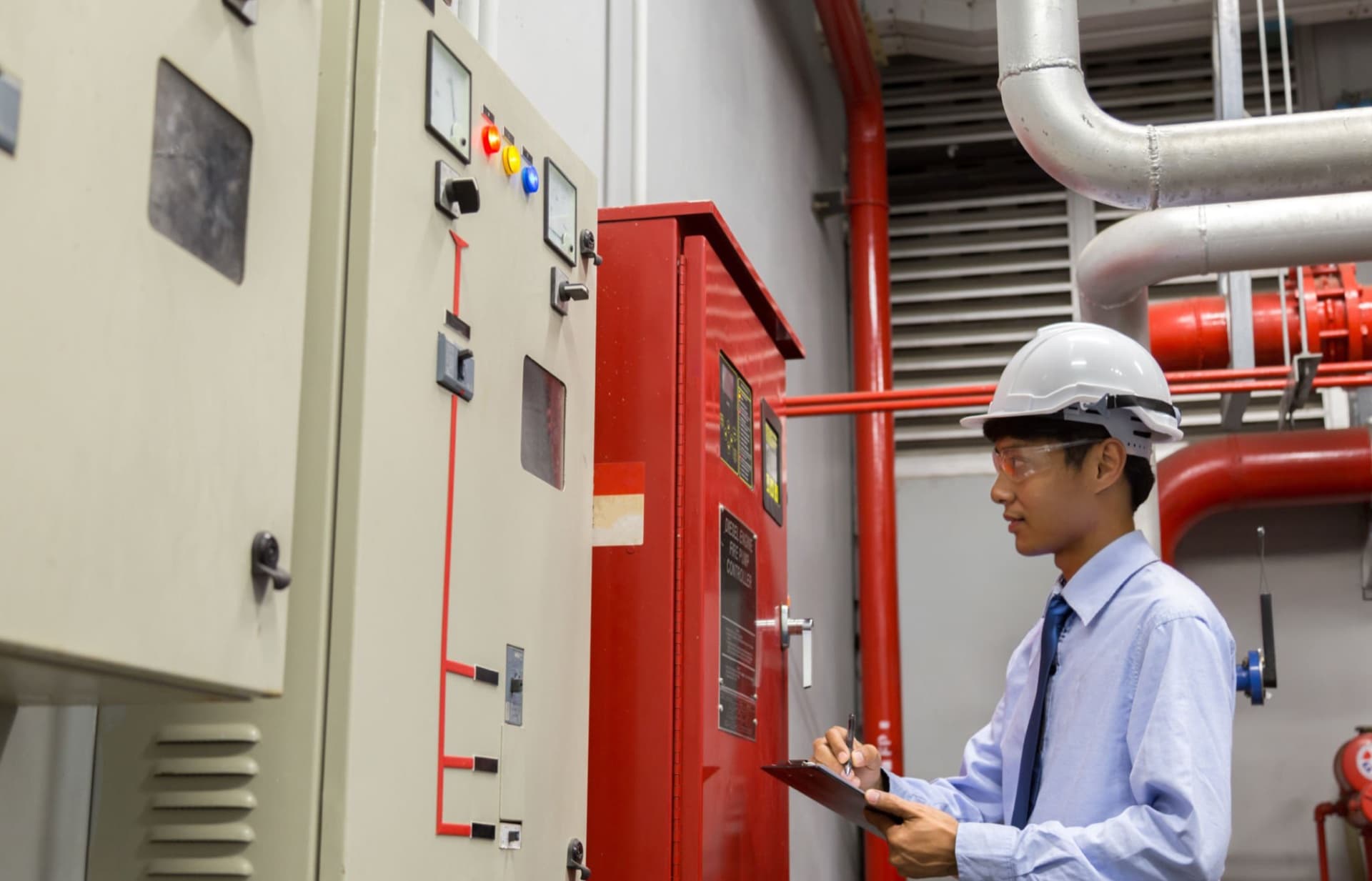
In the standard configuration, the SRT package includes the device, a DN50 solenoid valve, a junction box and a control panel. The control panel receives and sends commands and controls the device and solenoid valve; up to 4 devices can be connected to one control panel.

With the optional computer-based remote control panel, the site can be monitored and controlled from a central control room; up to 200 devices can be connected to this panel. A strainer that filters the water ahead of the solenoid valve can also be added as an option. The device can be run in fully automatic, remote manual or on-site manual mode.

Control Panel and Remote Control
SRT Automatic Fire Suppression Robot
04

Areas of Use

Large-volume structures such as factories, storage areas, tunnels, airports, hospitals and shopping centers.

SRT is preferred in large, high-volume spaces that are hard to protect with individual point heads: factories, airports, road and rail tunnels, terminal buildings, storage areas, schools, sports halls, car parks, hospitals and shopping centers.

Device placement, quantity and water supply are designed according to the facility's geometry and fire risk. A site survey is required to evaluate the system together with the existing fire pump and fire detection infrastructure.

Areas of Use
SRT Automatic Fire Suppression Robot
Frequently Asked Questions

SRT Automatic Fire Suppression Robot: frequently asked questions

Where is the SRT fire suppression robot used?

SRT is preferred in large, high-volume structures that are hard to protect with individual point sprinkler heads: factories, airports, road and rail tunnels, terminal buildings, storage areas, schools, sports halls, car parks, hospitals and shopping centers. Unit placement and quantity are designed after the site survey according to the facility's geometry and fire risk.

How does the SRT robot detect fire?

The unit continuously monitors the protected area and detects fire conditions using a heat detector together with ultraviolet/infrared (UV/IR) detection. When a fire is detected, it scans horizontally and vertically to find the direction of the source, sends an alarm signal to the central panel and opens the solenoid water valve to start the pump.

What is the range and operating envelope of the SRT fire suppression robot?

According to technical data, the unit can rotate more than 360 degrees horizontally, moves between -90 and +30 degrees vertically, and positions itself within 30 seconds. The maximum monitoring radius is 50 meters, the recommended mounting height is 6-15 meters, and operating pressure ranges from 6 to 8 bar depending on the model.

How many SRT units can be connected to one control panel?

In the standard configuration, up to 4 units can be connected to one control panel. With the optional computer-based remote control panel, the site can be monitored and controlled from a central control room, and up to 200 units can be connected to that panel. The unit can operate in fully automatic, remote manual or local manual mode.

Does the SRT robot discharge water or foam?

Depending on the project, the unit can suppress with both water and foam; the water jet is a long-range, solid column, giving a wide protection span. For foam discharge, suitable concentrate and proportioning equipment is used. The choice of medium and the range and flow values are finalized during site survey and hydraulic calculation according to the facility's risk profile.

Facilities where we installed srt automatic fire suppression robot

A selection of reference projects where we designed and commissioned this system.

Kaliteks

Let's map your facility's fire protection together.

Free site survey, hydraulic analysis and a fast quote. Our team can be on your site within 48 hours.