All Systems
Fire Protection System

Sprinkler Systems

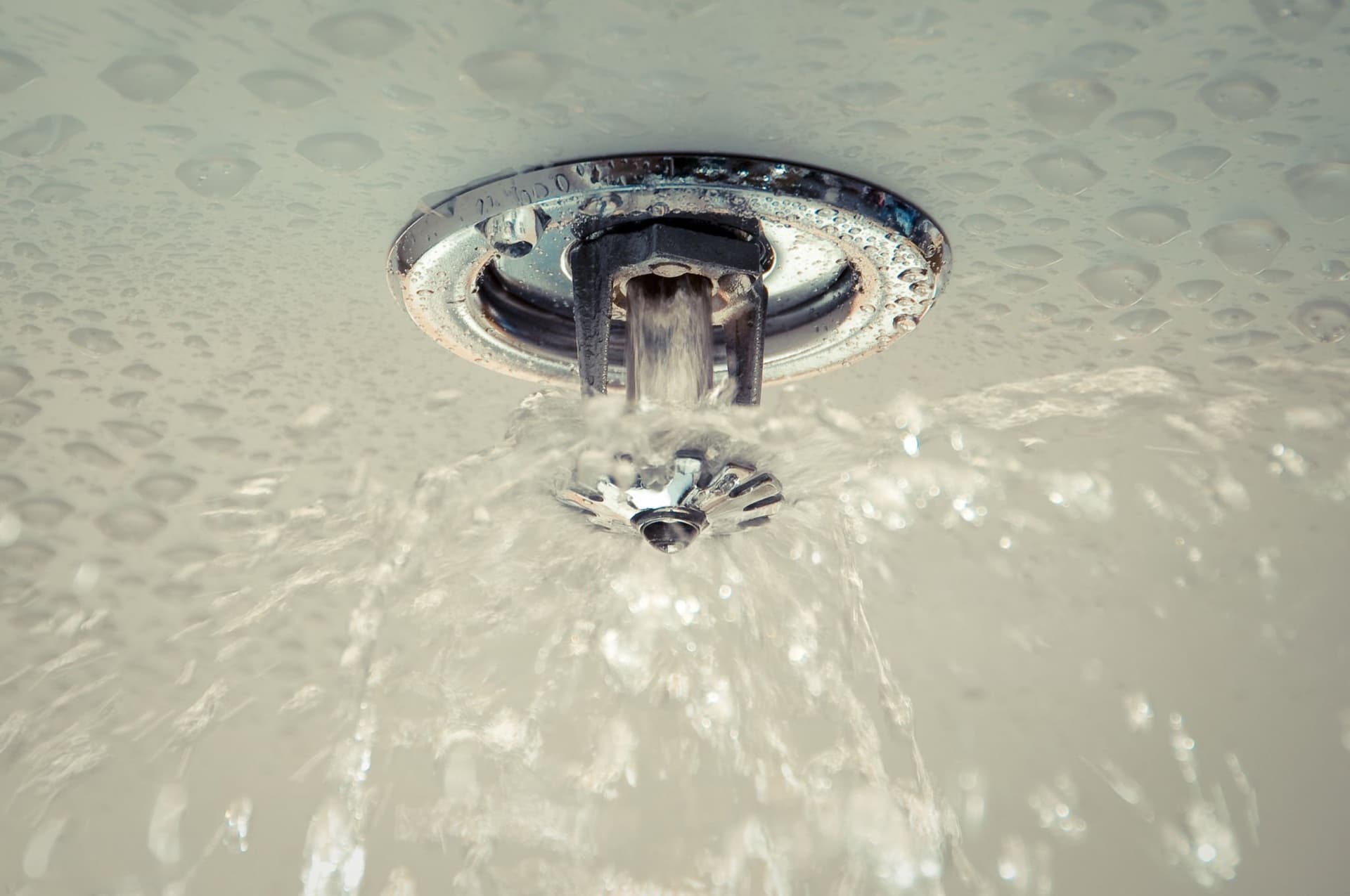
Automatic suppression systems that stop a fire from growing. Sprinkler heads act directly on the fire, minimizing loss of life and property.

In short: A sprinkler system is a fixed suppression system in which ceiling or wall heads detect fire by heat and automatically discharge water or foam over the affected area. It works with the fire pump set, water tank, valves and piping. Özaydın Yangın engineers wet, dry and foam sprinkler systems to TS EN 12845 and NFPA 13.

Integrated fire pump set + water tankNational and international standardsZone-by-zone automatic activationDesign tailored to hazard class
Sprinkler Systems
3 solution types
01 — Overview

About the system

Our engineering approach to this part of fire safety, and the details that matter.

Sprinkler systems are the foundation of fire safety: automatic suppression systems developed to stop a fire from growing and to minimize loss of life and property. Sprinkler heads, laid out by design across the facility, act directly at the point where the fire starts and help bring the flames under control. Early intervention keeps the fire from spreading to other areas and significantly reduces risks such as production shutdowns, heavy property damage and prolonged business interruption.

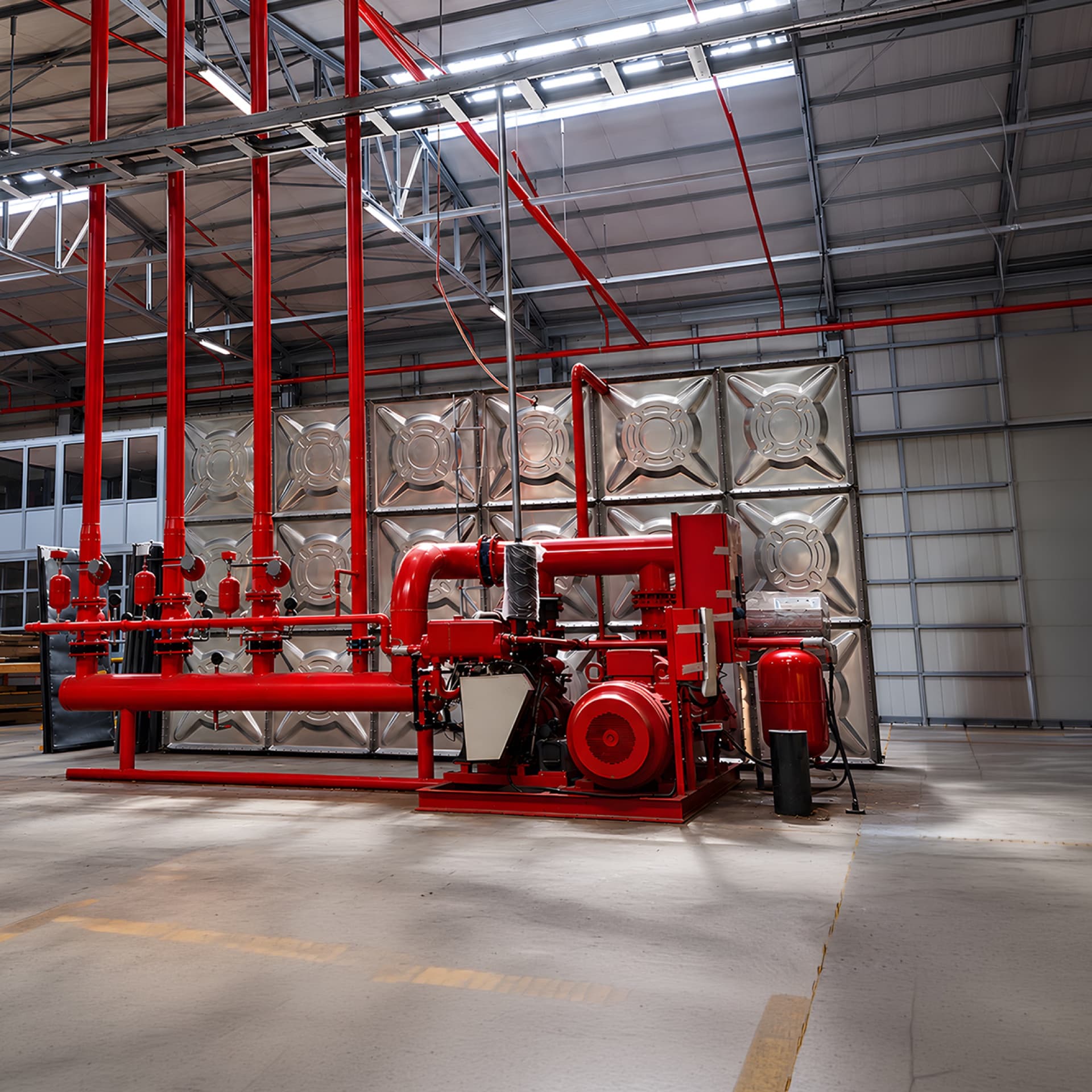
A sprinkler system is an integrated fire suppression solution made up of a fire pump set, water tank, control valve assemblies, piping network and sprinkler heads. The system is designed to national and international standards, taking into account the building's use, hazard class, ceiling height, storage arrangement and architectural features. The result is reliable, continuous protection across the entire facility.

Sprinkler heads activate only in the zone of the fire once specific temperature thresholds are reached. This avoids unnecessary water use while delivering a fast, effective response. The same system is not applied to every building; different sprinkler solutions are selected according to the area of use, ambient temperature and fire risk.

02 — Solution Types

3 solutions, each for a specific need

Engineered system options selected by occupancy, hazard class and building architecture, backed by design calculations.

01

Wet Pipe Sprinkler Systems

A system whose piping is permanently filled with pressurized water, giving the fastest response in a fire.

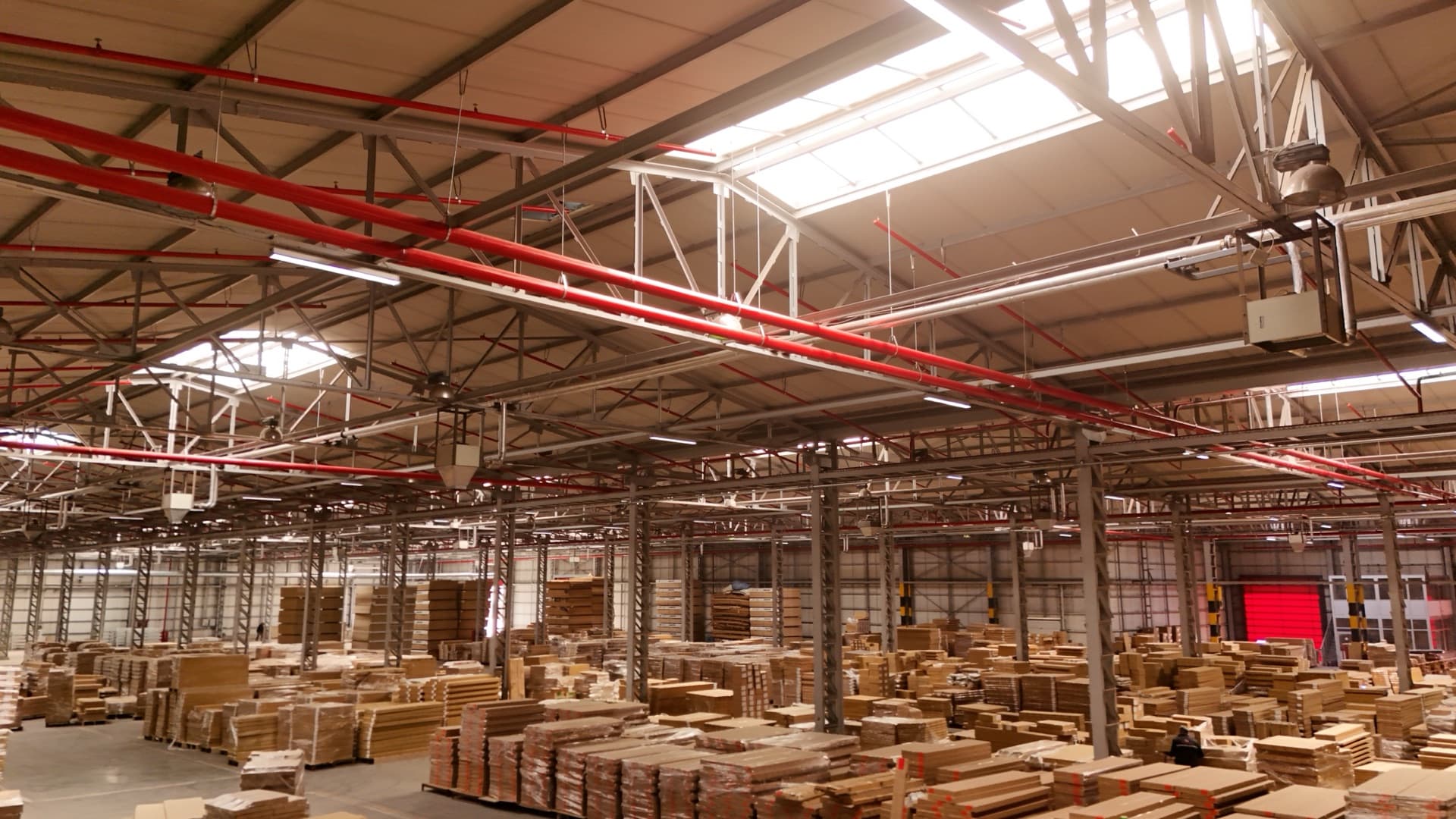
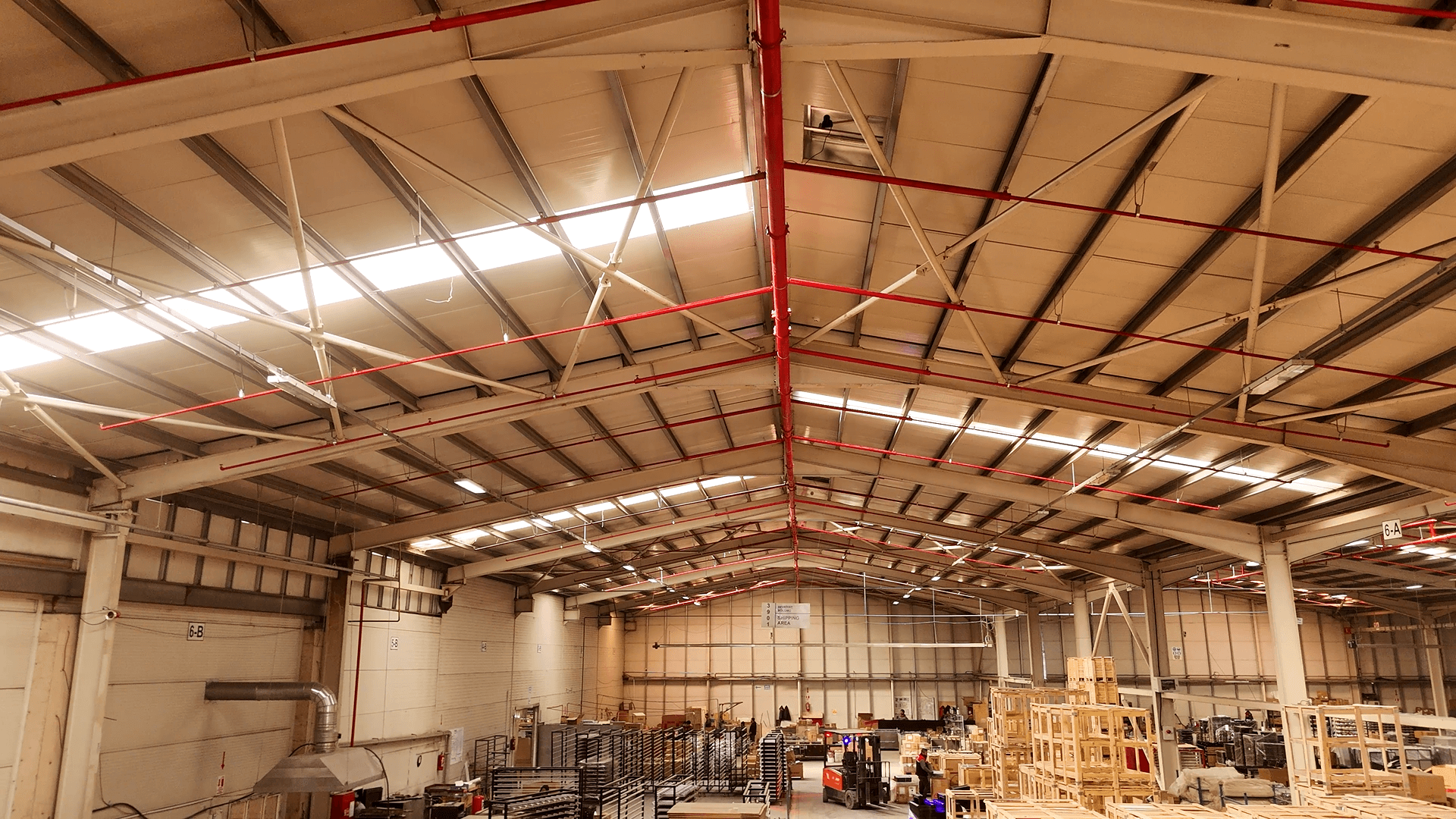
Wet pipe sprinkler systems keep pressurized water in the piping at all times and deliver the fastest response in a fire. When the heat of a fire reaches the operating temperature of a sprinkler head, that head opens, and the water waiting in the pipe reaches the fire zone immediately and starts suppression.

Thanks to their fast response time, they are among the most widely used automatic fire suppression systems. They are applied safely in enclosed areas with no freezing risk, and their maintenance is easier than that of other systems. They are widely specified in factories, production facilities, shopping centers, hotels, hospitals, educational buildings, office buildings, warehouses and industrial plants.

During design, pipe diameters, sprinkler layouts, flow and pressure calculations are determined on engineering principles. Working together with the fire pump set and water tank, the system is sized for the facility's hazard class and provides reliable protection for many years.
Wet Pipe Sprinkler Systems
Sprinkler Systems
02

Dry Pipe Sprinkler Systems

A dedicated solution for areas at risk of freezing. The pipe holds pressurized air or nitrogen instead of water.

Dry pipe sprinkler systems are a dedicated automatic suppression solution for areas at risk of freezing. In this system the piping holds pressurized air or nitrogen instead of water. When a sprinkler head opens in a fire, the air in the system is released and the dry alarm valve activates, filling the pipe with water. Water is delivered only to the zone of the fire to carry out suppression.

They are used reliably in storage areas exposed to low temperatures, open car parks, loading docks, cold storage rooms and industrial facilities where freezing is possible. If the facility already has a compressed air line, the system can be fed from it. Where no compressed air infrastructure exists, air compressors of suitable capacity keep the system permanently ready.

Designed with correct engineering calculations and standard-compliant valve assemblies, dry pipe sprinkler systems provide reliable fire protection even in harsh climates.

Dry Pipe Sprinkler Systems
Sprinkler Systems
03

Foam Sprinkler Systems

High-performance foam-based suppression for areas with flammable and combustible liquid hazards.

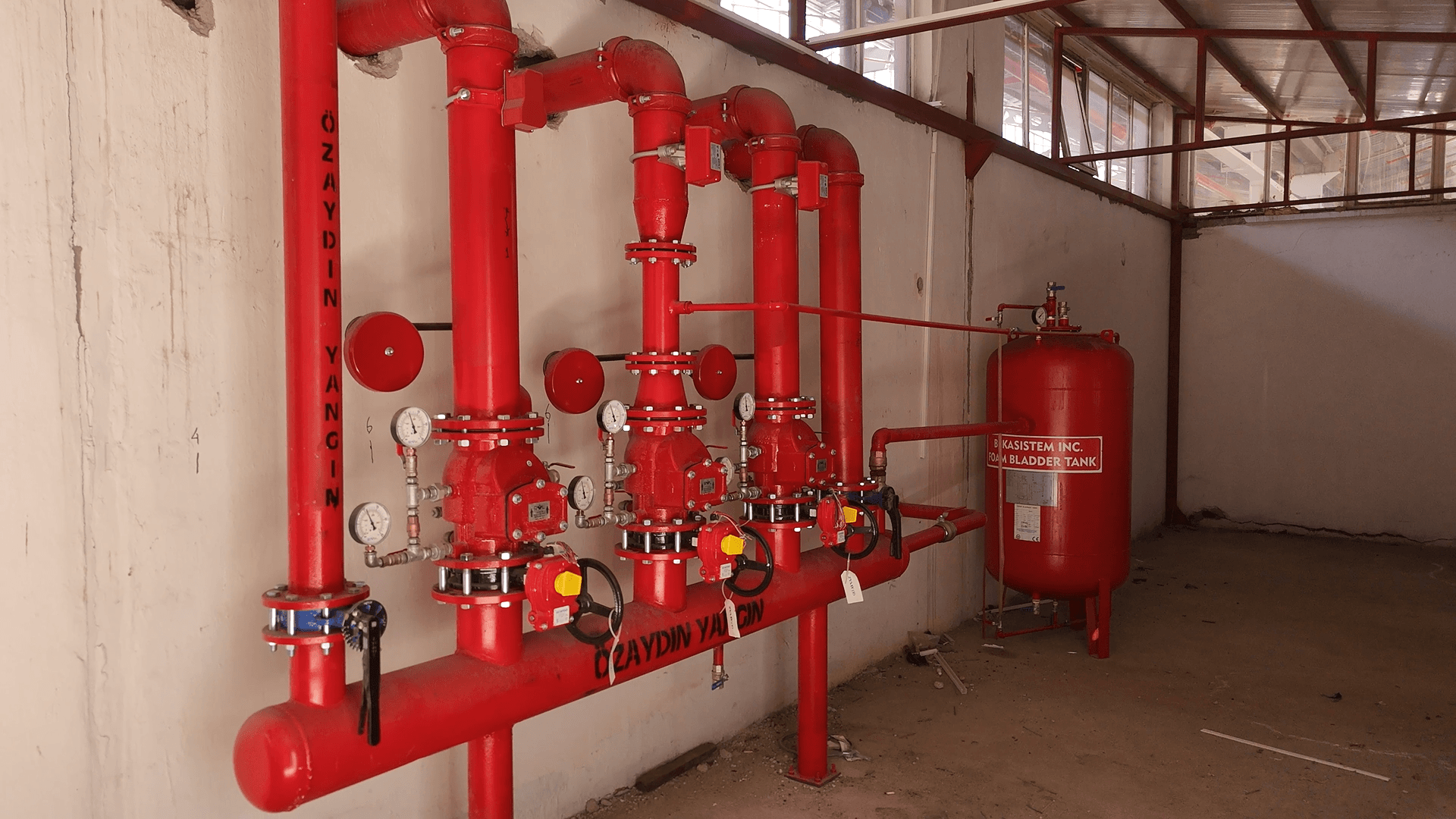
Foam sprinkler systems are specialized suppression systems used in high fire-risk areas where water alone is not enough. The system mixes water and foam concentrate in set proportions and sends a foam suppression agent to the fire zone. The resulting foam blanket cuts off the flammable liquid's contact with oxygen, preventing the fire from growing and greatly reducing the risk of re-ignition.

They are widely specified in facilities with flammable and combustible liquids, fuel storage, chemical plants, paint production areas, solvent stores, aircraft hangars and similar high-risk industrial structures. They deliver far more effective results than standard water-based suppression and play a major role in controlling large-scale fires.

Foam sprinkler systems consist of a foam tank, proportioning equipment, valve assemblies, piping and sprinkler heads. Designed around the facility's fire load and intended use, the system is engineered to international standards and installed to work in integration with other fire safety systems. This delivers the maximum level of fire safety in high-risk facilities.

Foam Sprinkler Systems
Sprinkler Systems
Frequently Asked Questions

Sprinkler Systems: frequently asked questions

Which buildings are required to have a sprinkler system?

The sprinkler requirement depends on the building's occupancy class, floor area and the thresholds in BYKHY (Turkish Fire Protection Regulation). High-rise buildings, hospitality facilities above a certain size and some industrial and warehouse buildings fall within scope. The exact obligation is confirmed at the design stage based on total construction area, height and hazard class. During consultancy, Özaydın Yangın assesses your facility against these thresholds and defines a solution suited to the fire department approval process.

What determines the cost of a sprinkler system?

Cost depends on the protected floor area, ceiling height, hazard class (light, ordinary or high), the system type (wet, dry or foam), pipe run length, and whether the existing fire pump set and water tank capacity are sufficient. ESFR heads for high-rack storage, or dry systems for areas at risk of freezing, also affect cost. The final figure comes from the design package produced after the hydraulic calculation and site survey.

How often should a sprinkler system be maintained?

Sprinkler lines need a monthly visual and functional check, a quarterly pump and pressure test, and a full system verification once a year. These visits cover valve positions, head condition, line pressure and automatic start of the fire pump. Regular maintenance keeps the system ready when a fire occurs and ensures complete records for inspections and insurance audits.

Which standards are sprinkler systems designed to?

The primary reference for sprinkler design is TS EN 12845; hazard class, storage height and ceiling height directly determine design density and sprinkler type. For high-rack storage, NFPA 13 principles and ESFR (early suppression, fast response) heads are preferred. Both standards set water flow, pressure and head spacing by hazard class, and Özaydın Yangın projects are prepared with these calculations for fire department approval.

What is the difference between wet, dry and foam sprinkler systems?

A wet system holds pressurized water in the pipes at all times and gives the fastest response; it is used in enclosed areas with no freezing risk. A dry system holds pressurized air or nitrogen in the pipes; when a head opens, the air escapes first and then water arrives, making it suitable for areas at risk of freezing such as cold stores and open car parks. A foam system mixes water with foam concentrate to form a blanket over the surface in flammable liquid fires.

Facilities where we installed sprinkler systems

A selection of reference projects where we designed and commissioned this system.

Gazioğlu AmbalajPars HomeBaşyazıcıoğlu Bamen TekstilBettweltRetek KağıtAlsancakSahabe AhşapEmre MobilyaMy Home MobilyaEfal MobilyaOkra Masa SandalyeRado Mobilya

Let's map your facility's fire protection together.

Free site survey, hydraulic analysis and a fast quote. Our team can be on your site within 48 hours.