All Systems
Fire Protection System

Vehicle Fire Suppression Systems

Vehicle fire suppression system: an automatic suppression package using dry chemical powder and a chemical liquid for heavy equipment and vehicle engine compartments.

In short: A vehicle fire suppression system automatically extinguishes engine compartment fires on construction machinery and passenger and cargo vehicles, using a package of a detection line, suppressant cylinder and discharge nozzles. Dry chemical powder interrupts the flame, while a chemical liquid cools the area to prevent re-ignition. It is applied in mining, construction and logistics fleets.

Detection + suppressant cylinder + nozzle packageDry chemical powder + chemical liquid dual actionResistant to dusty and vibrating environmentsLow refill cost, short refill time
Vehicle Fire Suppression Systems
3 solution types
01 — Overview

About the system

Our engineering approach to this part of fire safety, and the details that matter.

Vehicle fire suppression systems are automatic suppression packages designed against fires that can occur in the engine compartments of heavy equipment and passenger and cargo vehicles. The engine compartment is where vehicle fires most often start, because of high temperatures, hydraulic and engine oils, electrical wiring and flammable vapor buildup, and its enclosed, cramped layout means manual suppression is not always possible. The system is mounted on the vehicle as a single package of detection setup, suppressant cylinder(s) and discharge nozzles, and moves with the vehicle's own body.

Dry chemical powder and a chemical liquid are used together as the suppressant. The powder breaks the combustion reaction and puts out the flame quickly, while the liquid cools the area and prevents re-ignition from hot surfaces. This dual action creates more reliable and lasting protection in hot, enclosed, poorly ventilated volumes such as an engine compartment than any single suppressant type could; it also reduces the risk of the area reheating and reigniting after suppression.

The system is preferred in vehicle fleets under heavy working conditions such as mining, construction and logistics because it works effectively on engine and hydraulic oil fires, suits dusty and dirty work environments, has low refill cost and short refill time, and withstands vibration and outdoor conditions. The application covers vehicle groups with engine compartment fire risk, such as heavy equipment, buses, forklifts and garbage trucks; cylinder capacity and nozzle count are designed separately for each vehicle type.

02 — Solution Types

3 solutions, each for a specific need

Engineered system options selected by occupancy, hazard class and building architecture, backed by design calculations.

01

Detection Setup

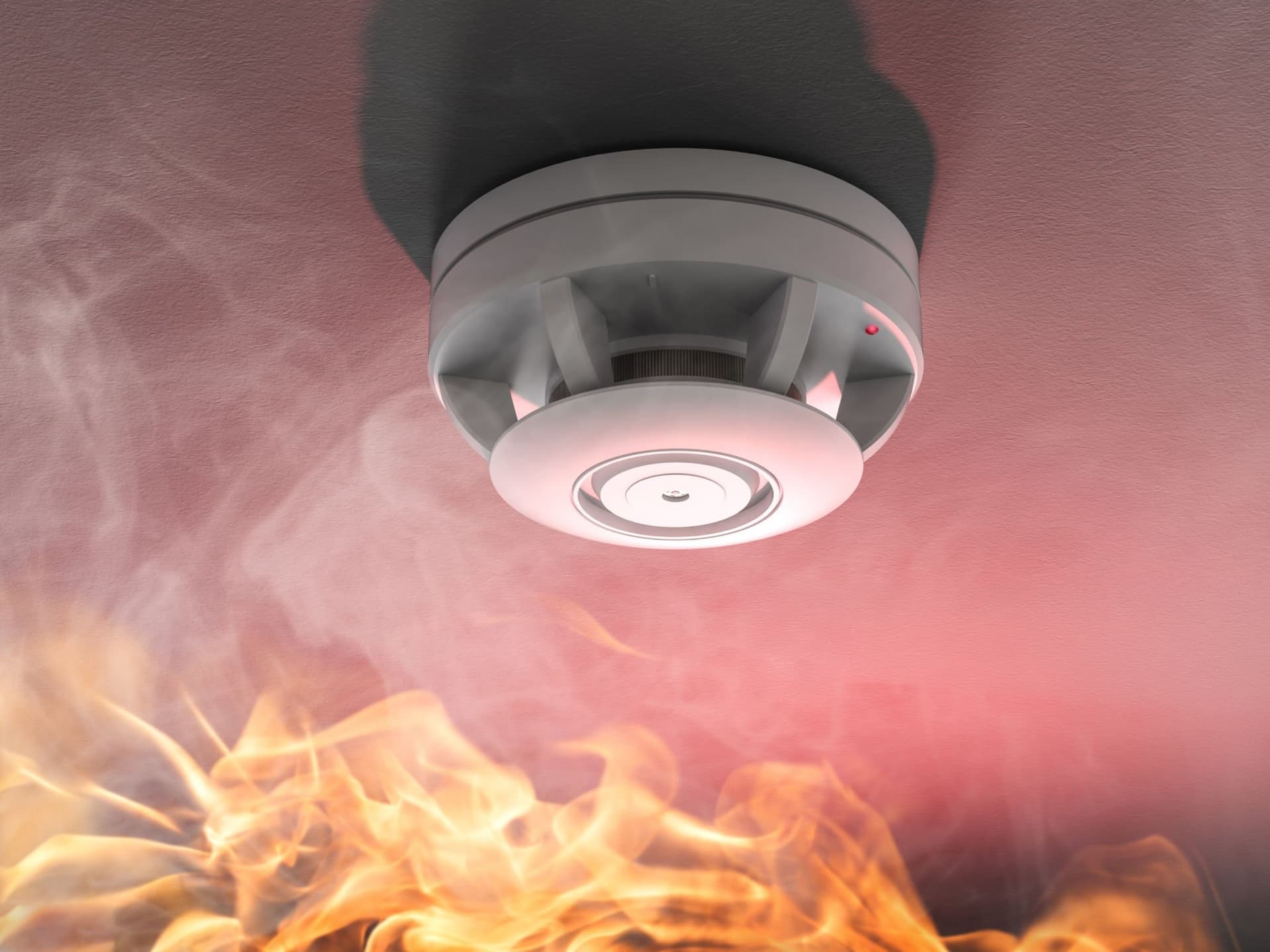
A detection line that spots a fire in the engine compartment early and activates the suppressant cylinder automatically.

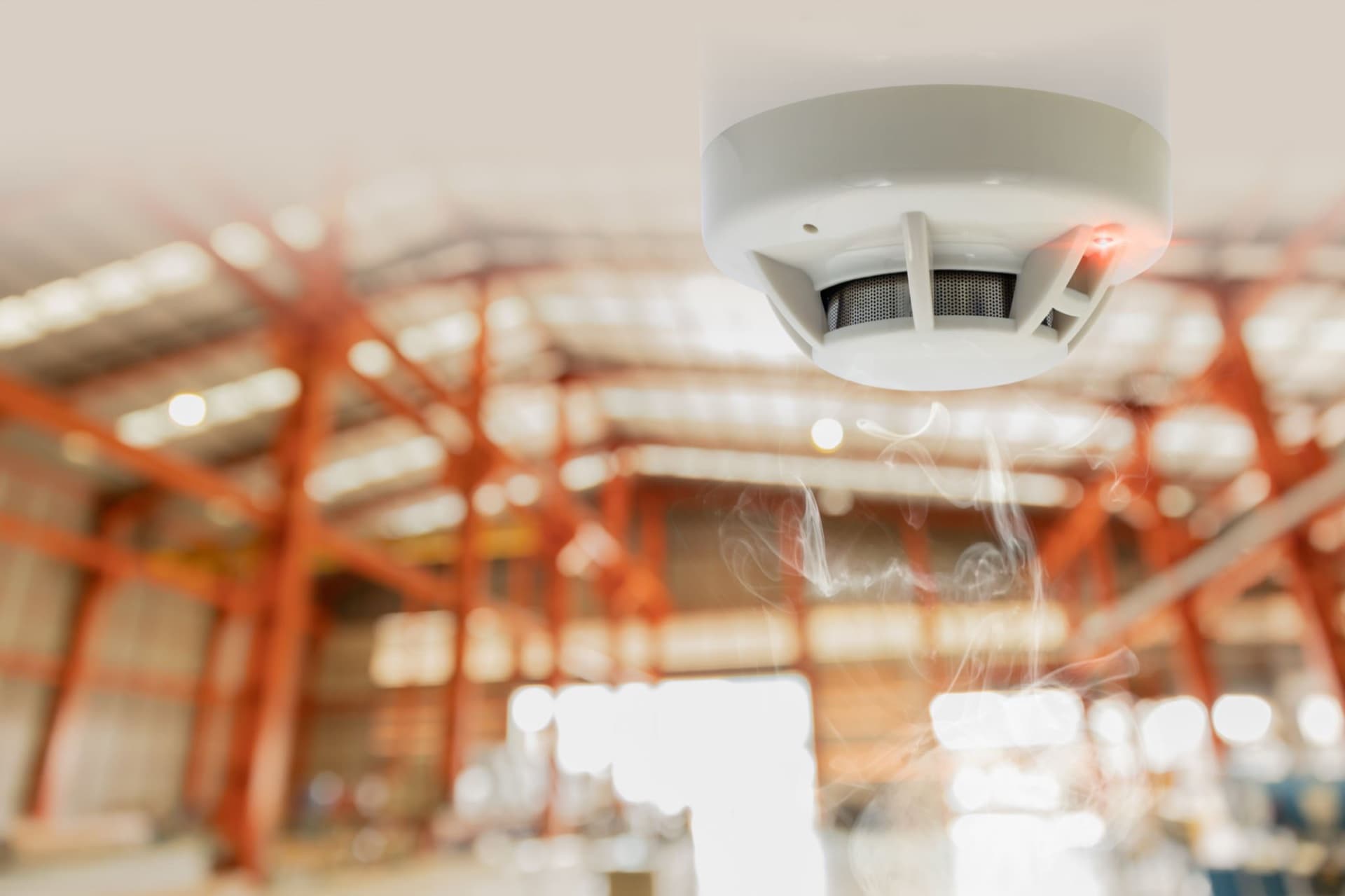
The detection setup is placed in the parts of the engine compartment sensitive to temperature rise and activates the system automatically when a fire starts. First suppression therefore begins without waiting for the driver or operator to act.

Detection elements, selected with the vehicle's vibrating and dusty operating conditions in mind, are positioned to work reliably in harsh field conditions as well.

Detection Setup
Vehicle Fire Suppression Systems
02

Suppressant Unit

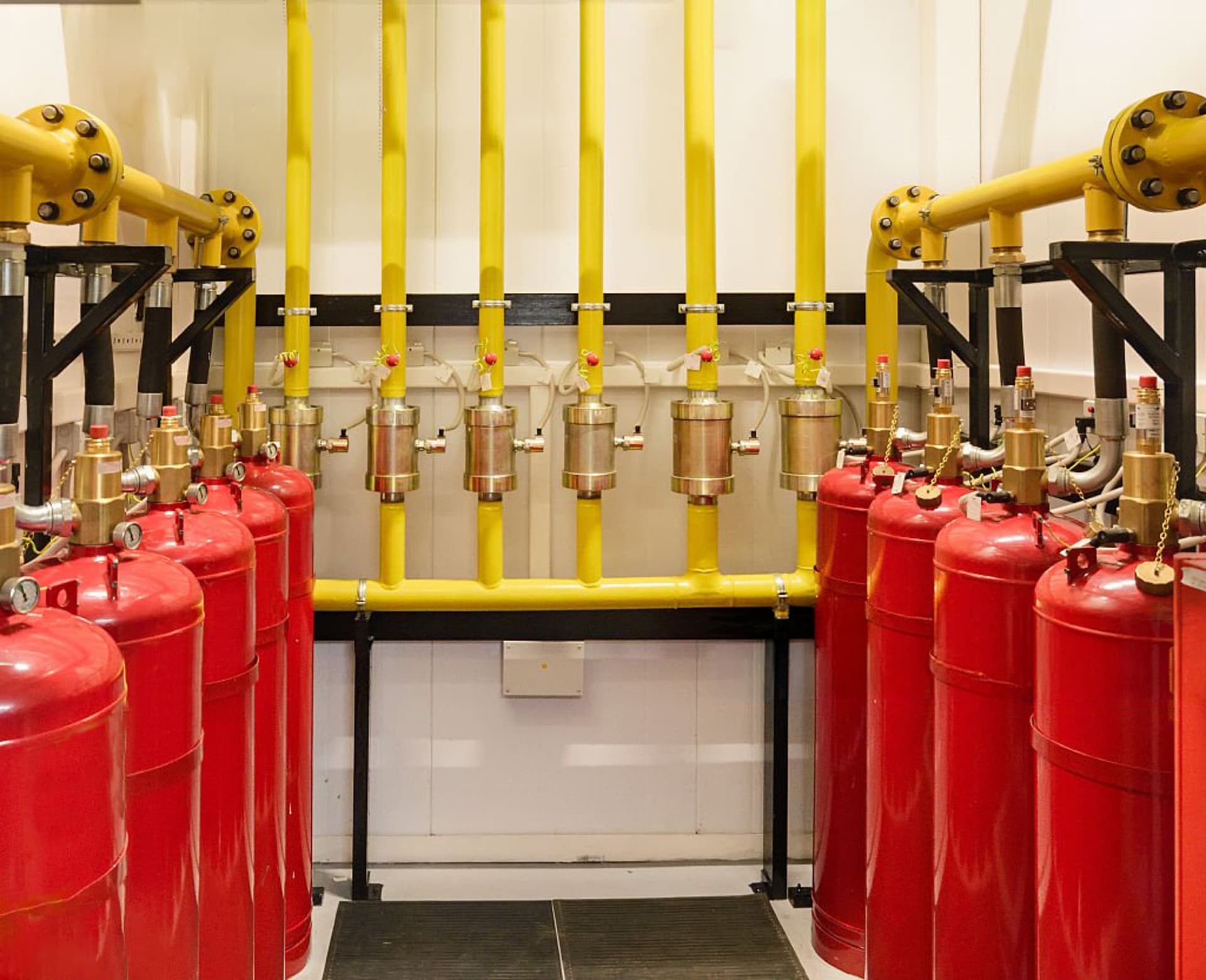
Cylinders that store dry chemical powder and chemical liquid, and the discharge nozzles that deliver them to the engine compartment.

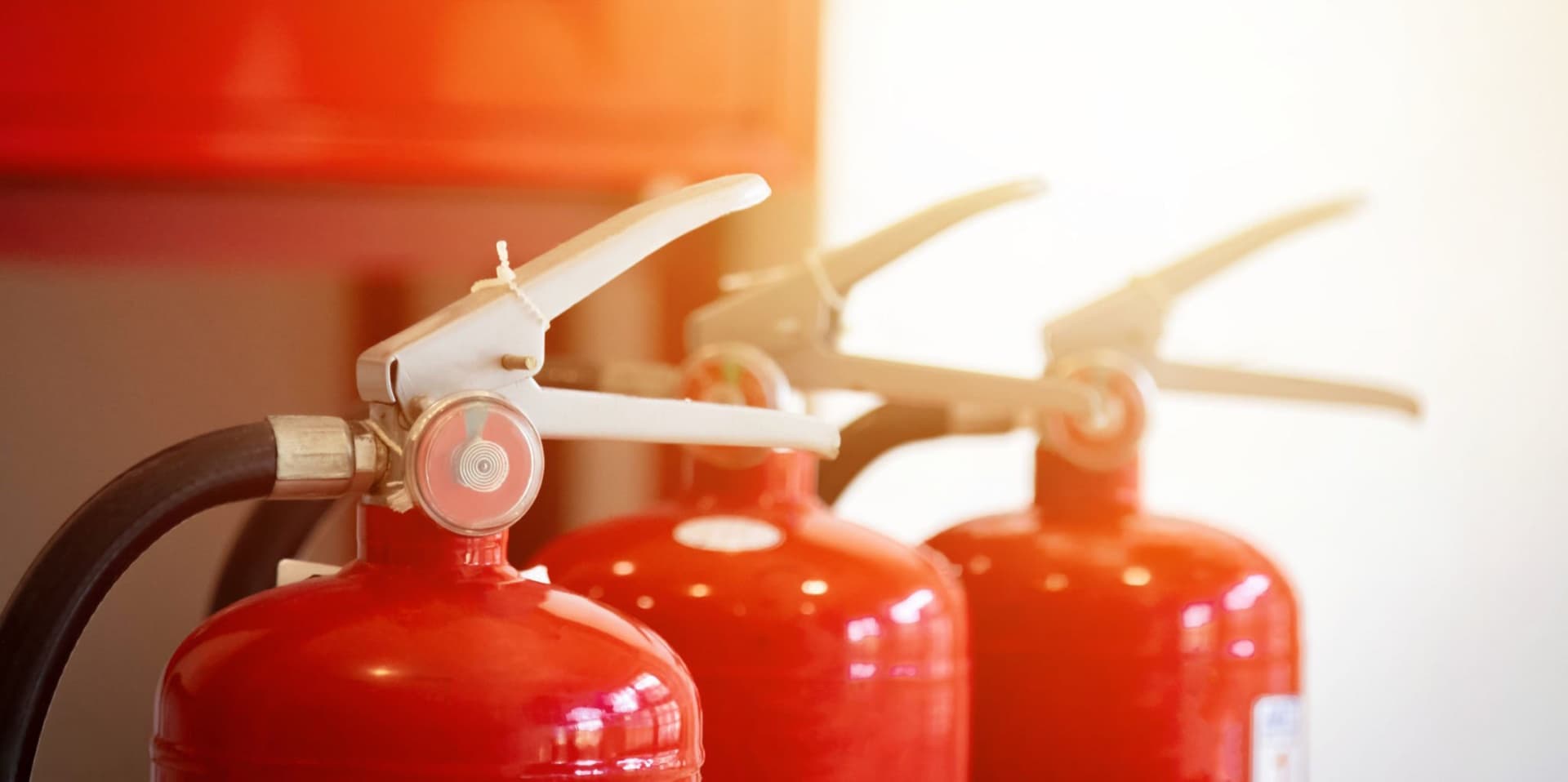
The suppressant unit consists of one or more cylinders storing dry chemical powder and chemical liquid separately or together. After detection, the cylinders open and the suppressant is directed through discharge nozzles to the risk points in the engine compartment.

Low refill cost and short refill time put the vehicle back under protection quickly after every activation of the system, which reduces vehicle downtime for fleet operators.

Suppressant Unit
Vehicle Fire Suppression Systems
03

Areas of Application

Vehicle groups with engine compartment risk, such as mining and construction equipment, buses, forklifts and garbage trucks.

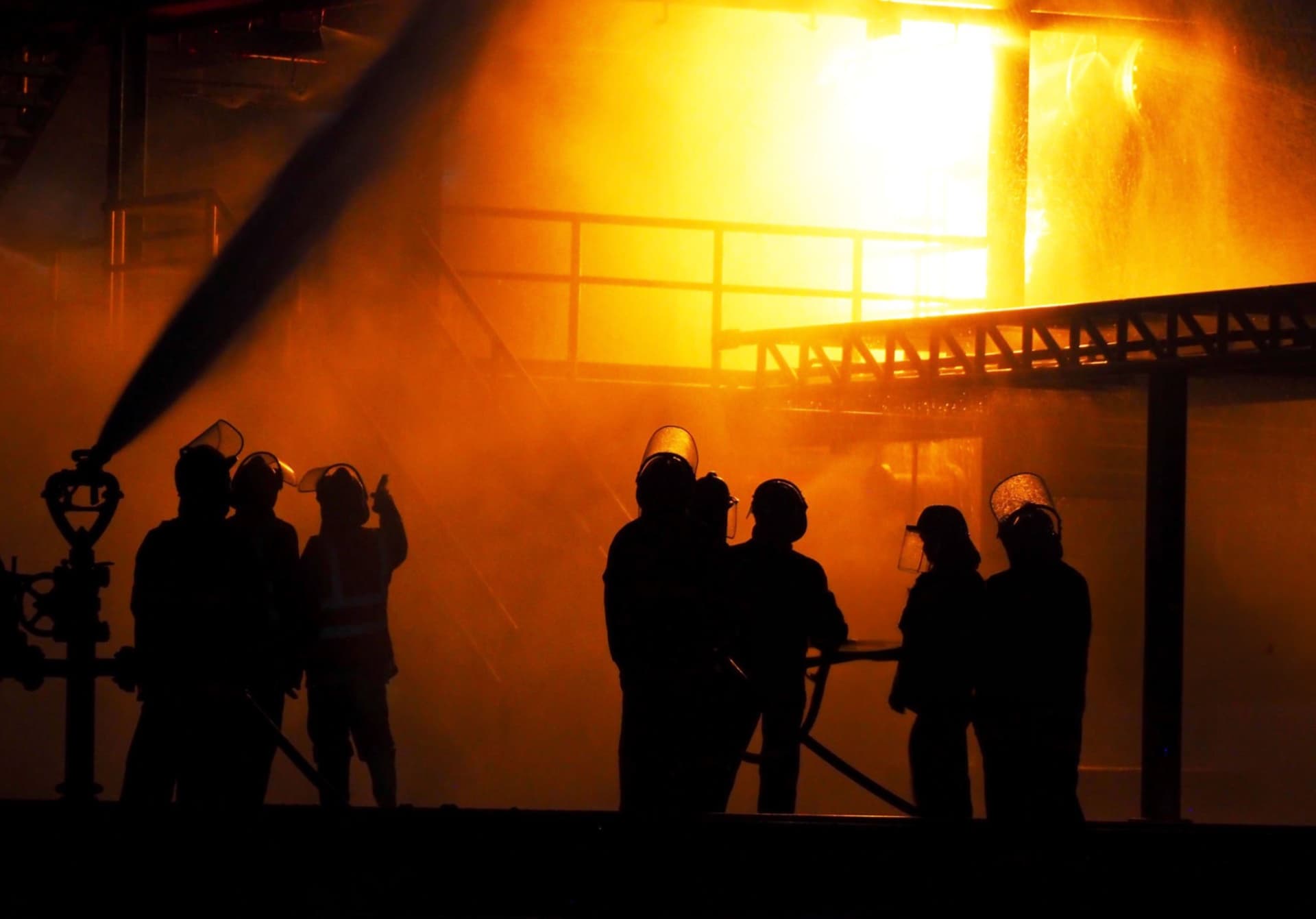
The vehicle fire suppression system is applied to vehicle groups that constantly carry high fire risk in the engine compartment, such as heavy equipment working on mining and construction sites, buses, forklifts and garbage trucks. In these vehicles, engine oil, hydraulic oil and flammable debris buildup increase fire risk.

Which cylinder capacity and nozzle count to apply to which vehicle group is determined at the design stage according to the vehicle's engine compartment volume and operating conditions.

Areas of Application
Vehicle Fire Suppression Systems
Frequently Asked Questions

Vehicle Fire Suppression Systems: frequently asked questions

Is a suppression system mandatory for construction machinery?

The requirement varies with the sector the vehicle operates in, company policy and occupancy class; in mining and some heavy industrial sites, a suppression system on machinery may be required by site safety procedures. The exact position should be assessed based on the vehicle's working environment and the relevant sector regulations.

Which suppressant is used in a vehicle suppression system?

The system uses dry chemical powder and a chemical liquid together. The powder interrupts the combustion reaction and knocks down the flame quickly; the liquid cools hot surfaces to prevent re-ignition. This dual action gives more reliable protection in hot, enclosed volumes such as engine compartments than a single agent type.

Which vehicles is the system applied to?

The system is applied to vehicle groups with engine or hydraulic oil fire risk in the engine compartment, such as construction machinery working at mining and building sites, buses, forklifts and garbage trucks. The capacity and nozzle arrangement are determined by the volume of the vehicle's engine compartment.

How is a vehicle suppression system maintained?

The detection line, suppressant cylinder fill level, nozzle connections and mounting security are checked periodically. Although the system is designed to withstand vibration and outdoor conditions, regular checks on vehicles in heavy-duty service are a precondition for reliable operation when it is needed.

What determines the cost of a vehicle suppression system?

Cost depends on the volume of the vehicle's engine compartment, the number and capacity of suppressant cylinders required, the number of nozzles and the extent of the detection line. Low refill cost and short refill time also keep the cost of recharging after a discharge limited.

Let's map your facility's fire protection together.

Free site survey, hydraulic analysis and a fast quote. Our team can be on your site within 48 hours.