
Factories & Industrial Facilities
Production lines, warehouses, chemical process areas, and machinery floors: fire protection systems with fire department approval, tailored to the complex risk profile of industrial facilities.
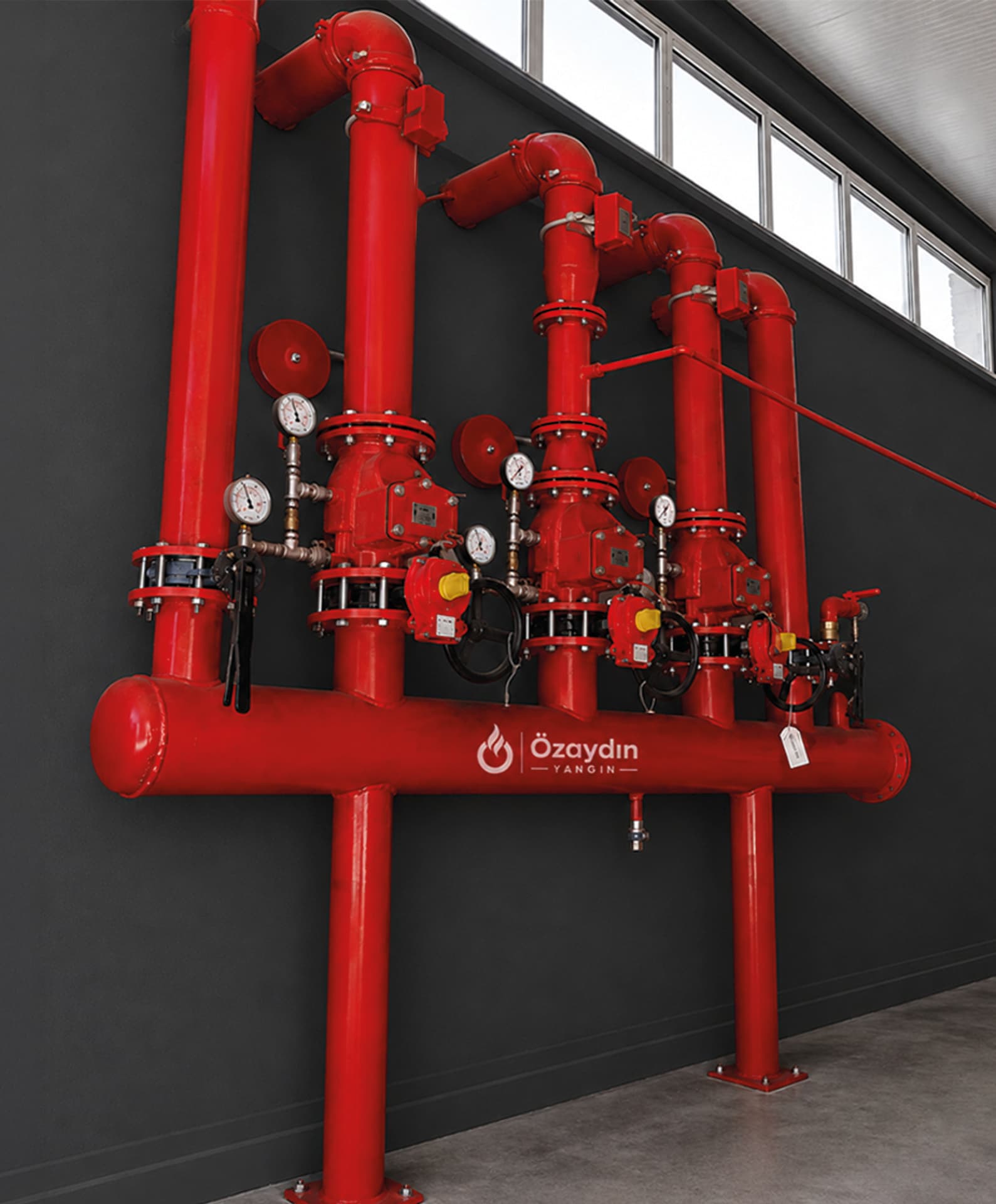
Why is fire protection different in this industry?
Factories and production facilities are complex structures where different fire risk classes coexist. The production line, raw material warehouse, electrical room, and chemical storage area each require a separate engineering approach. High ceilings, continuous production, and a heavy concentration of combustible materials make standard solutions fall short.
Solutions we deliver for this type of facility
- Sprinkler Systems (including ESFR)
- Fire Hydrant Network
- Fire Hose Cabinet Systems
- Fire Detection and Alarm
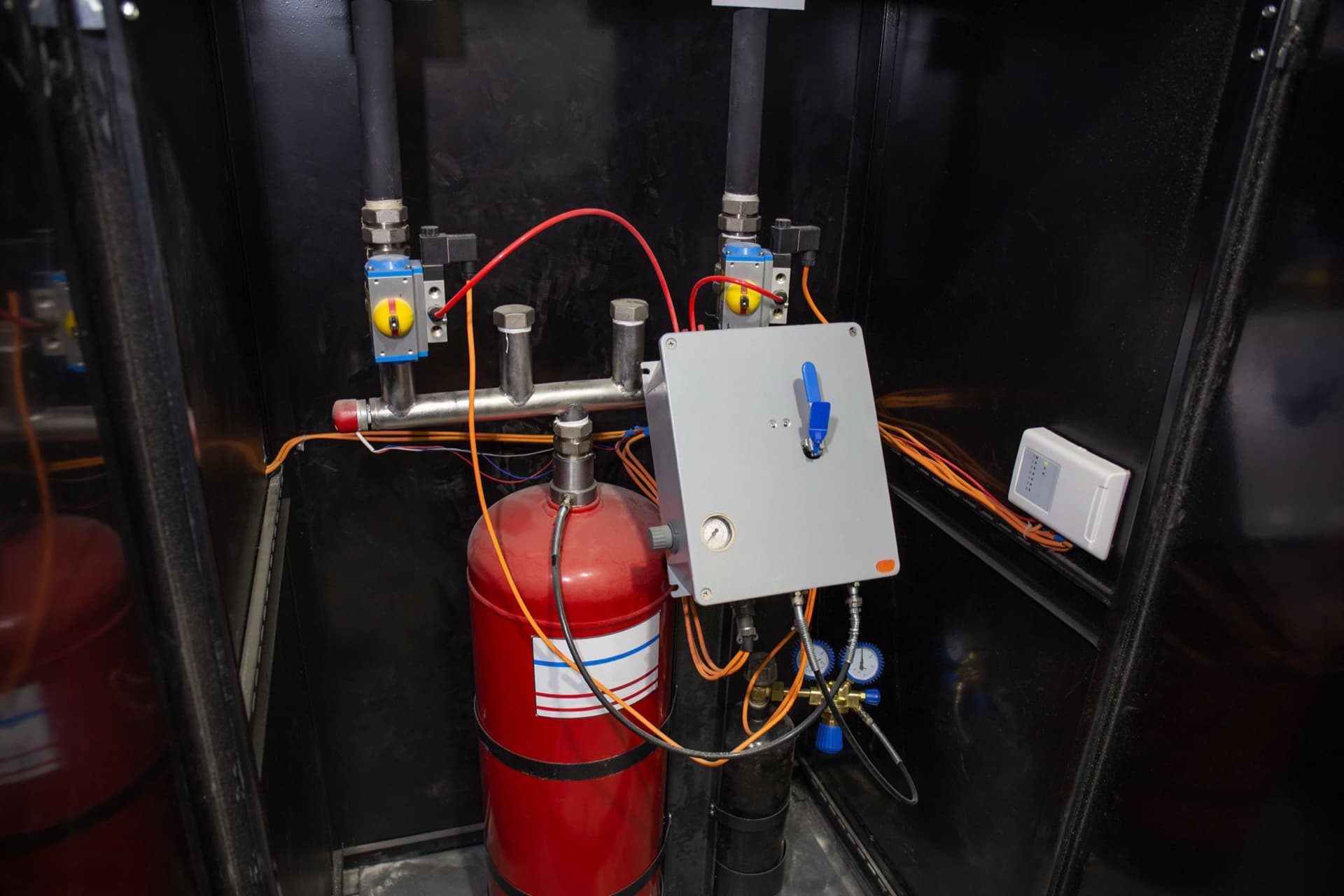
- Gas-Based Suppression (for electrical rooms)
- Fire Pump Set and Water Tank
System details for Factories & Industrial Facilities
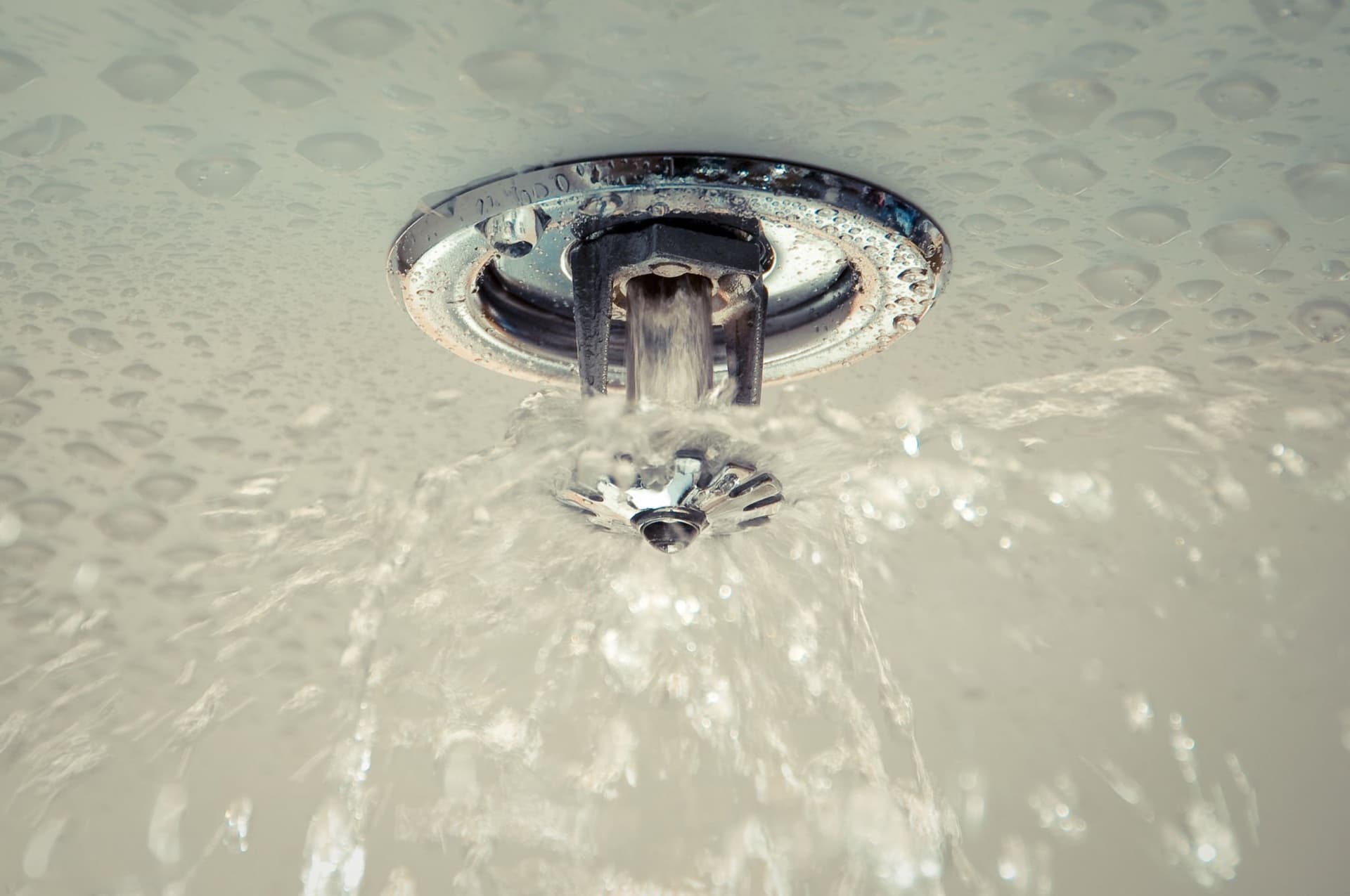
Sprinkler Systems
Automatic first-response protection
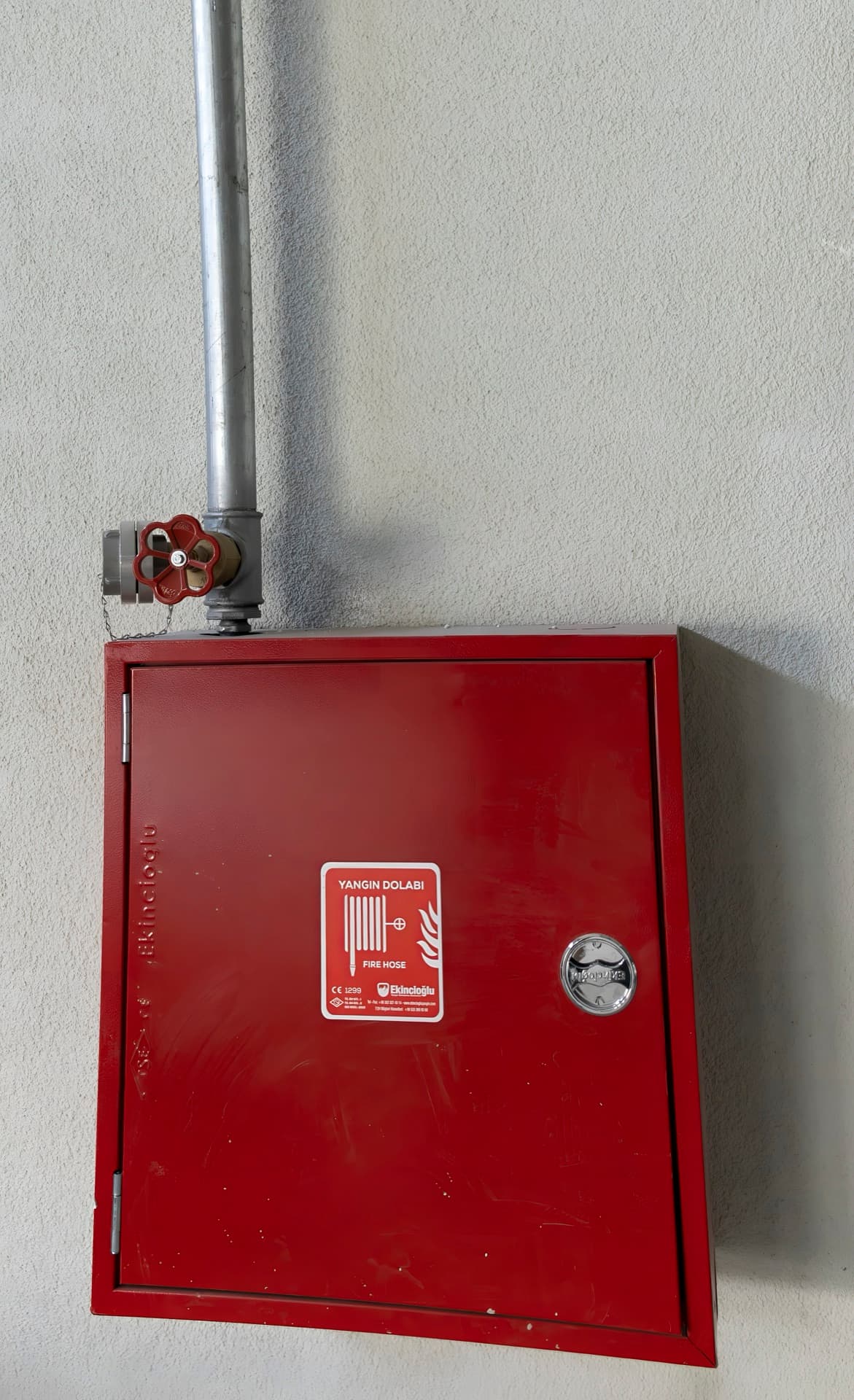
Fire Hose Cabinet Systems
Infrastructure for fast manual response
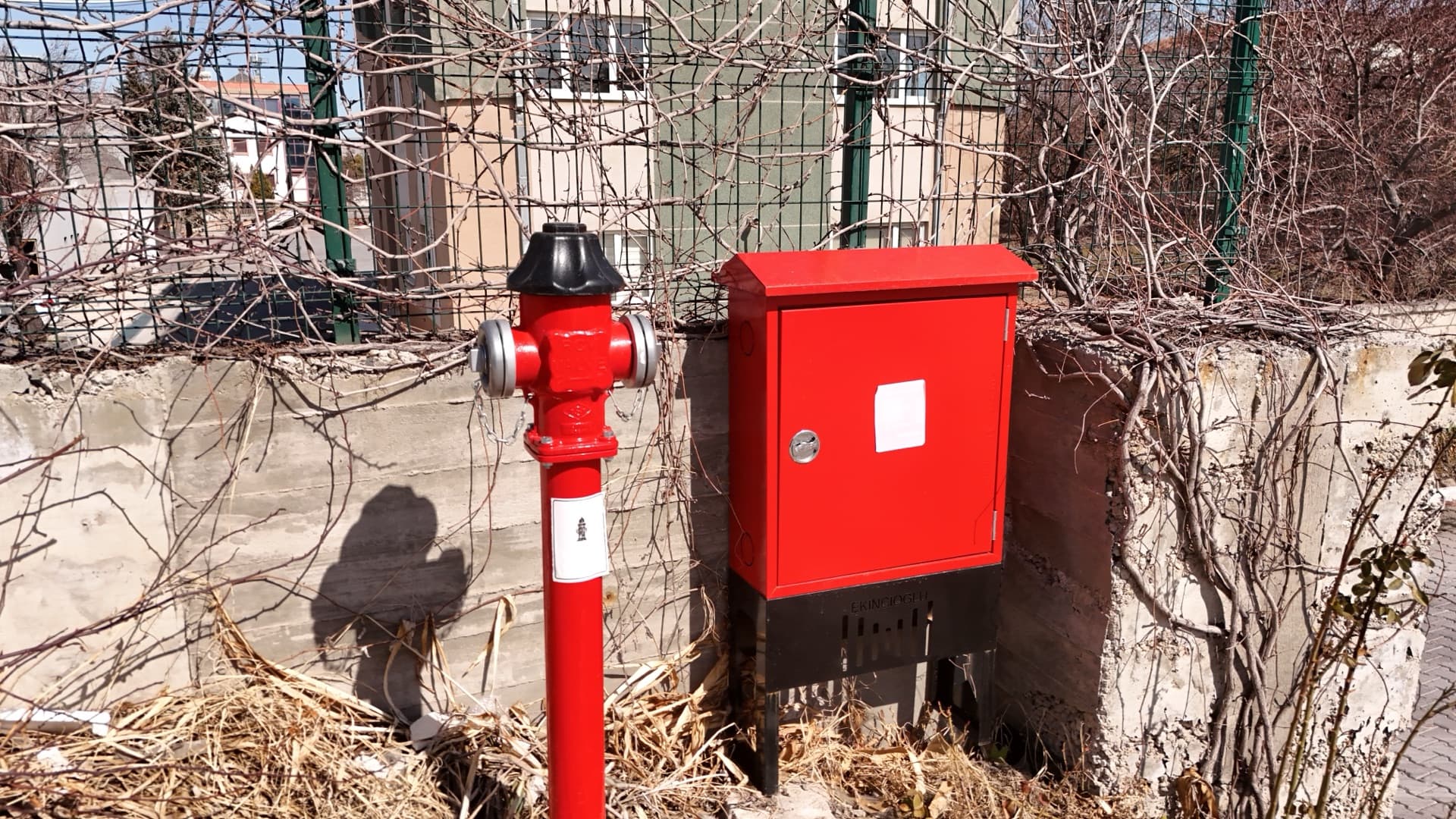
Fire Hydrant Systems
Uninterrupted protection infrastructure for large sites
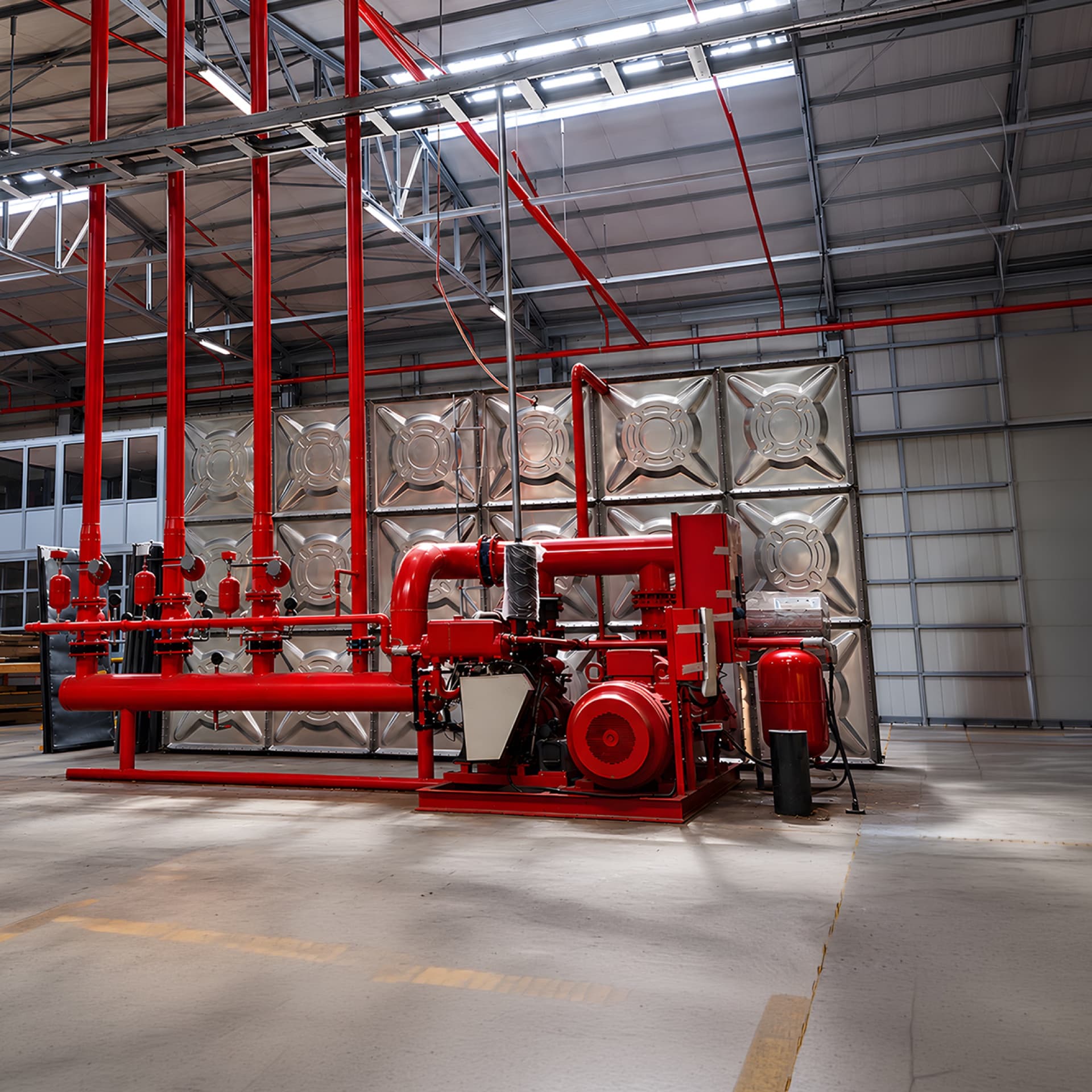
Mechanical Systems
Infrastructure for uninterrupted operation of suppression systems
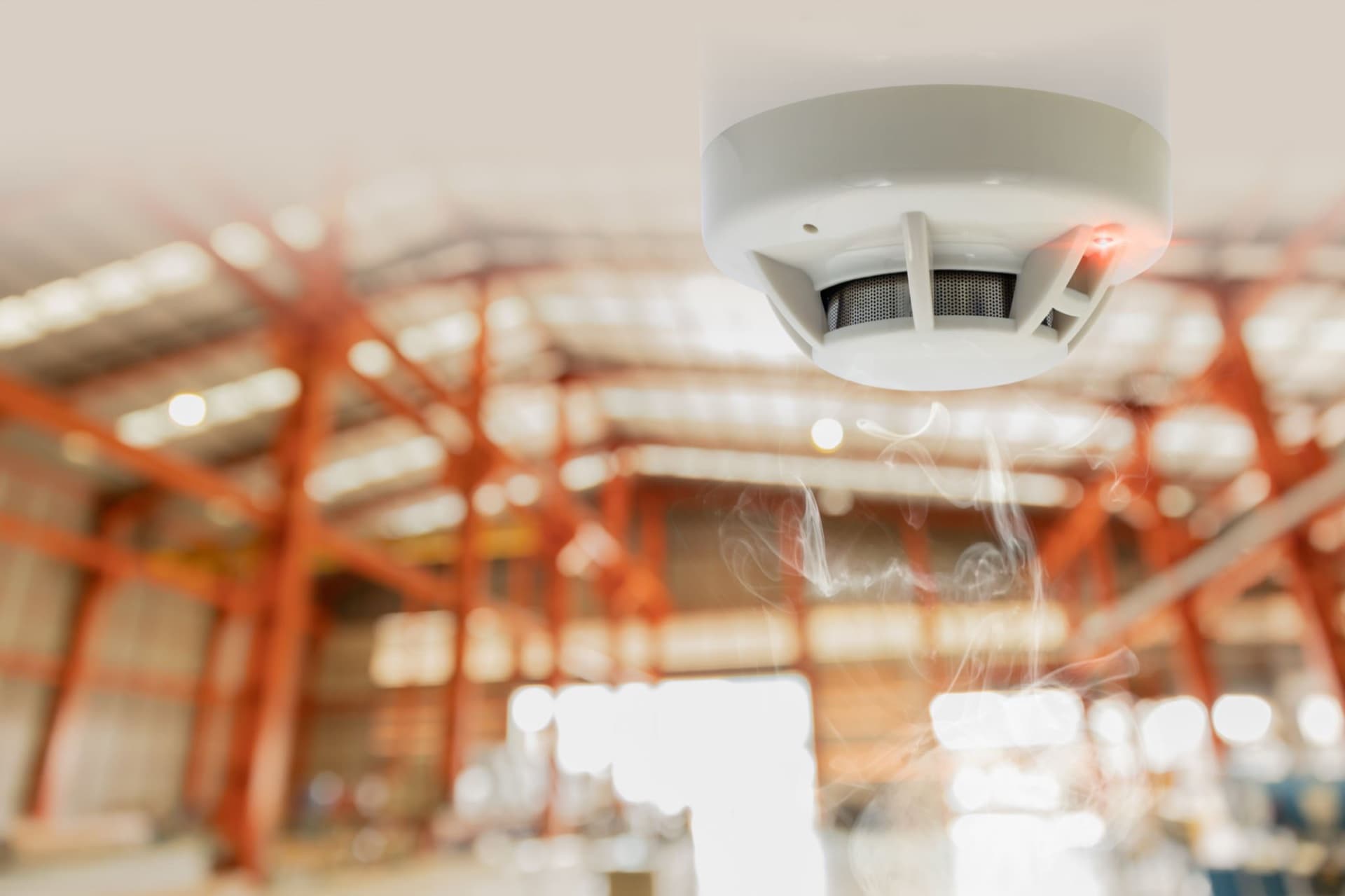
Fire Detection and Alarm Systems
Early detection, fast warning and controlled evacuation
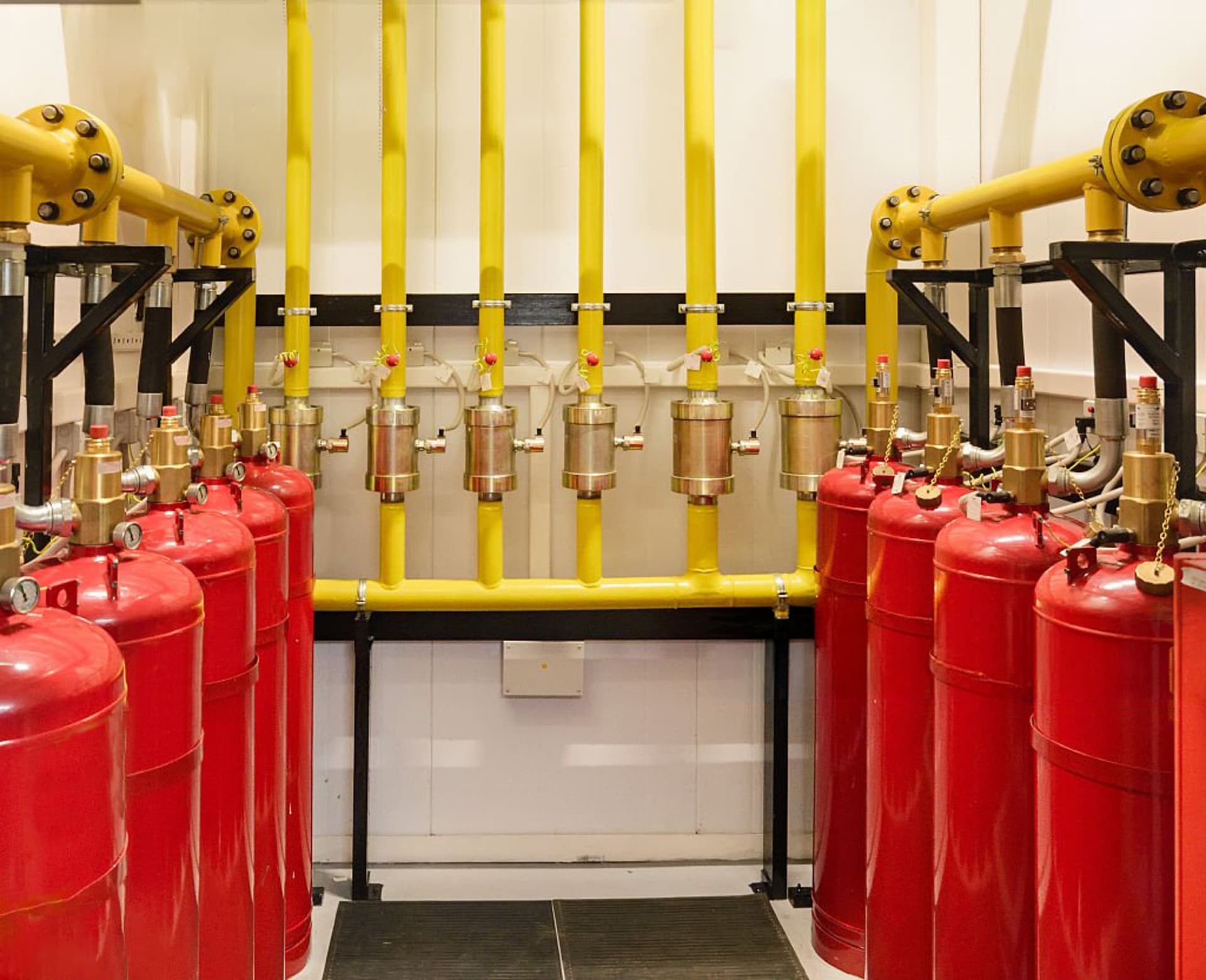
Gas-Based Suppression Systems
Residue-free automatic suppression for critical rooms
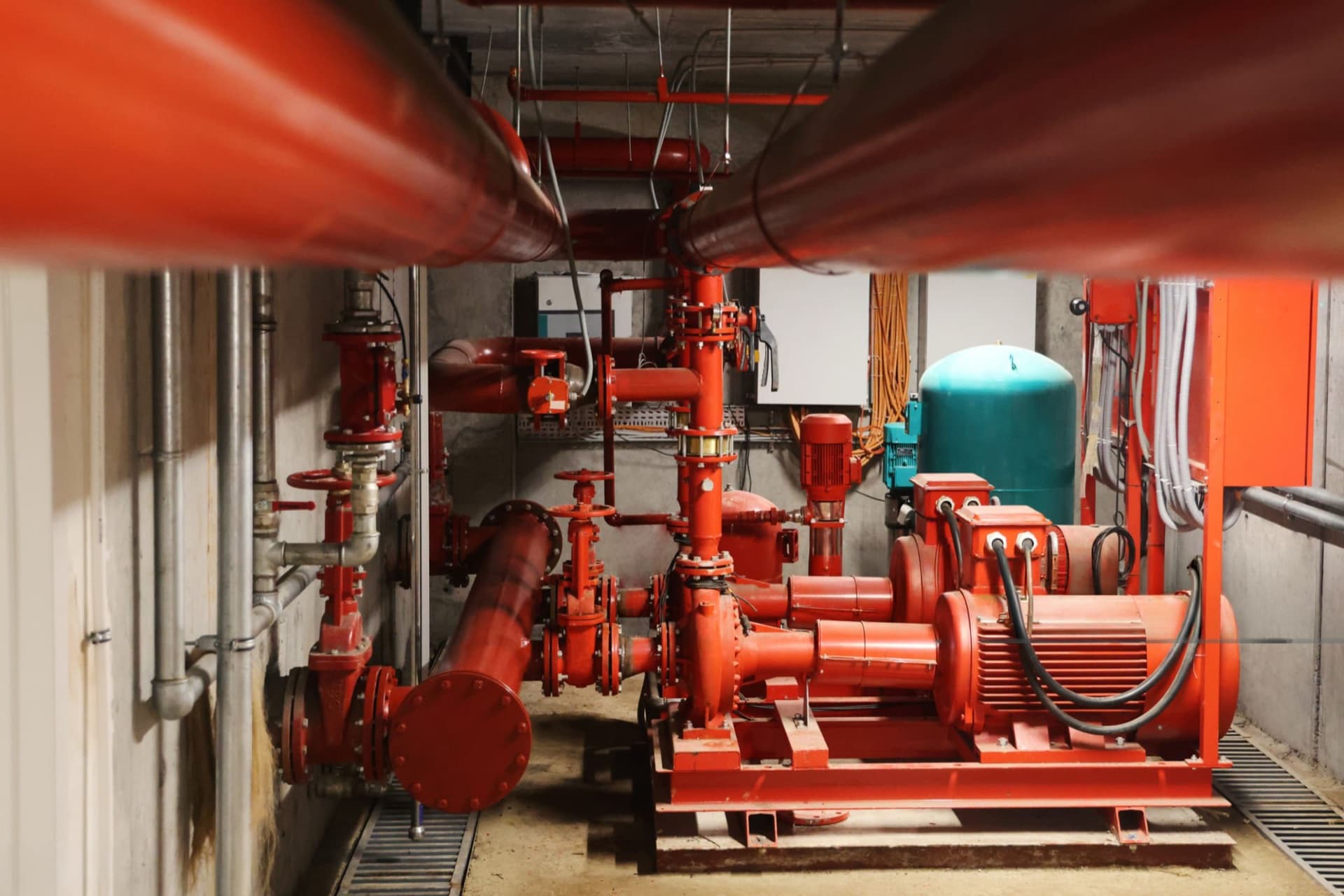
Fire Pumps and Pump Sets
Fire pump set groups
Factories & Industrial Facilities: frequently asked questions
Which areas of my factory are subject to fire protection systems?
Requirements are set not by a flat square-meter threshold but by the building's occupancy class and risk group. Example thresholds from our company practice: fire hose cabinets for manufacturing, workshop, and warehouse buildings with a total usable area above 1,000 m², and a fire hydrant network for facilities with an enclosed area above 5,000 m². Production areas, electrical rooms, and boiler rooms may additionally require sprinklers, detection, or gas-based suppression depending on their risk class. A site survey is essential for an assessment specific to your facility.
What is the difference between ESFR and standard sprinklers?
ESFR (Early Suppression Fast Response) sprinklers eliminate the need for additional in-rack sprinklers in high-piled storage areas. With high flow capacity, they suppress the fire at an early stage. They are preferred particularly for storage areas above 6 meters.
How much does installing a fire system interrupt production?
With a planned project schedule, installation is carried out in sections. Production does not need to stop entirely; critical lines are prioritized and commissioning is integrated into shift planning.
How does the fire department approval process work?
The project is prepared as an approval-ready technical file containing the hydraulic calculation report, CAD plans and sections, equipment list, and specification. This approach reduces the need for revisions on site during the fire department approval process. Once commissioning is complete, the system is made ready for the fire department's final inspection.
Why is gas-based suppression recommended for electrical and panel rooms?
In unmanned critical spaces such as transformer, panel, and power rooms, water-based suppression damages equipment; these areas are protected with CO₂-based gas suppression. In manned IT or control rooms, gases that are safe for occupied spaces, such as FM-200 (HFC-227ea), are preferred.
Other Industries
See All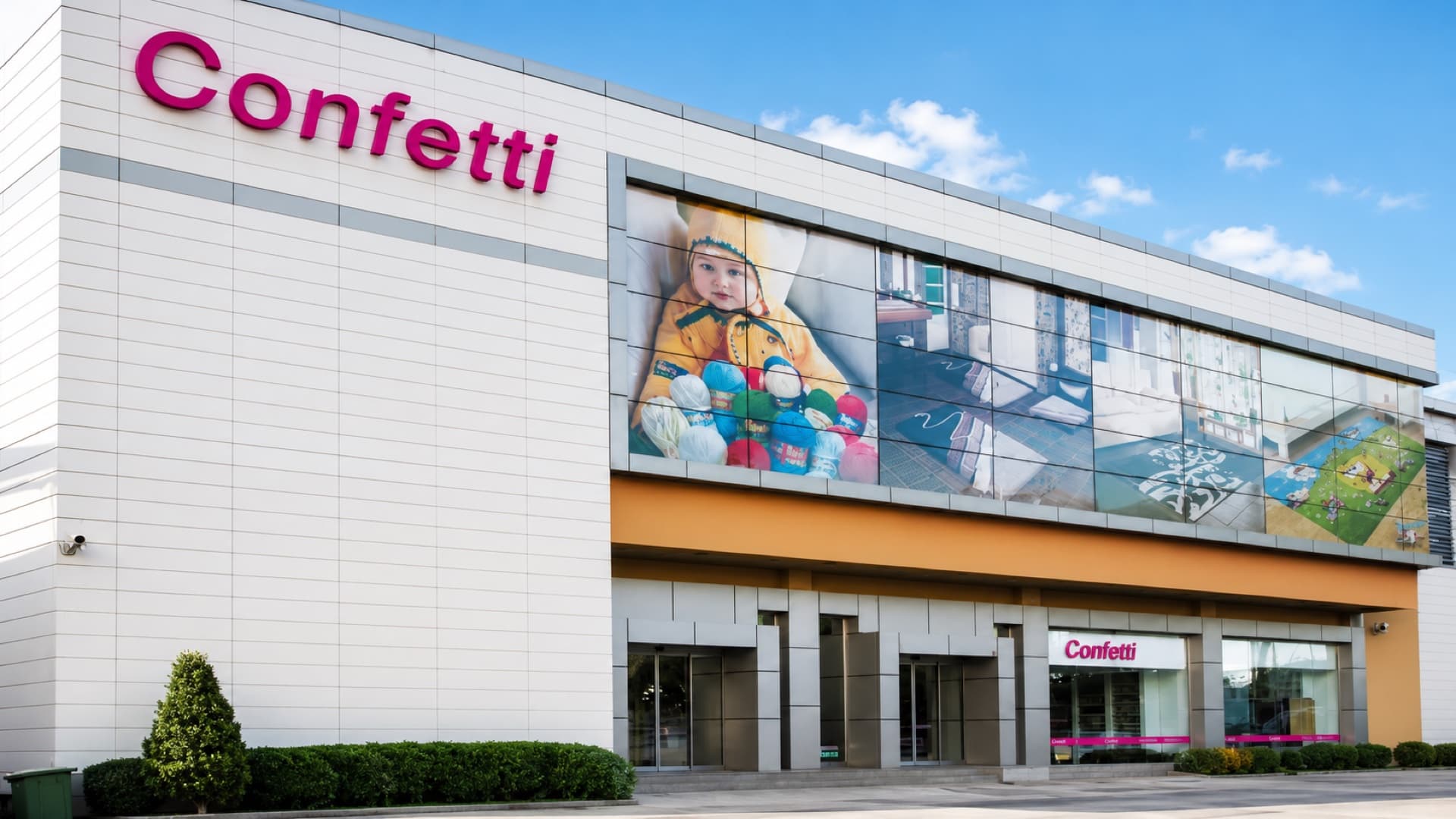
Shopping Malls & Commercial Buildings
Integrated protection for heavy occupant traffic
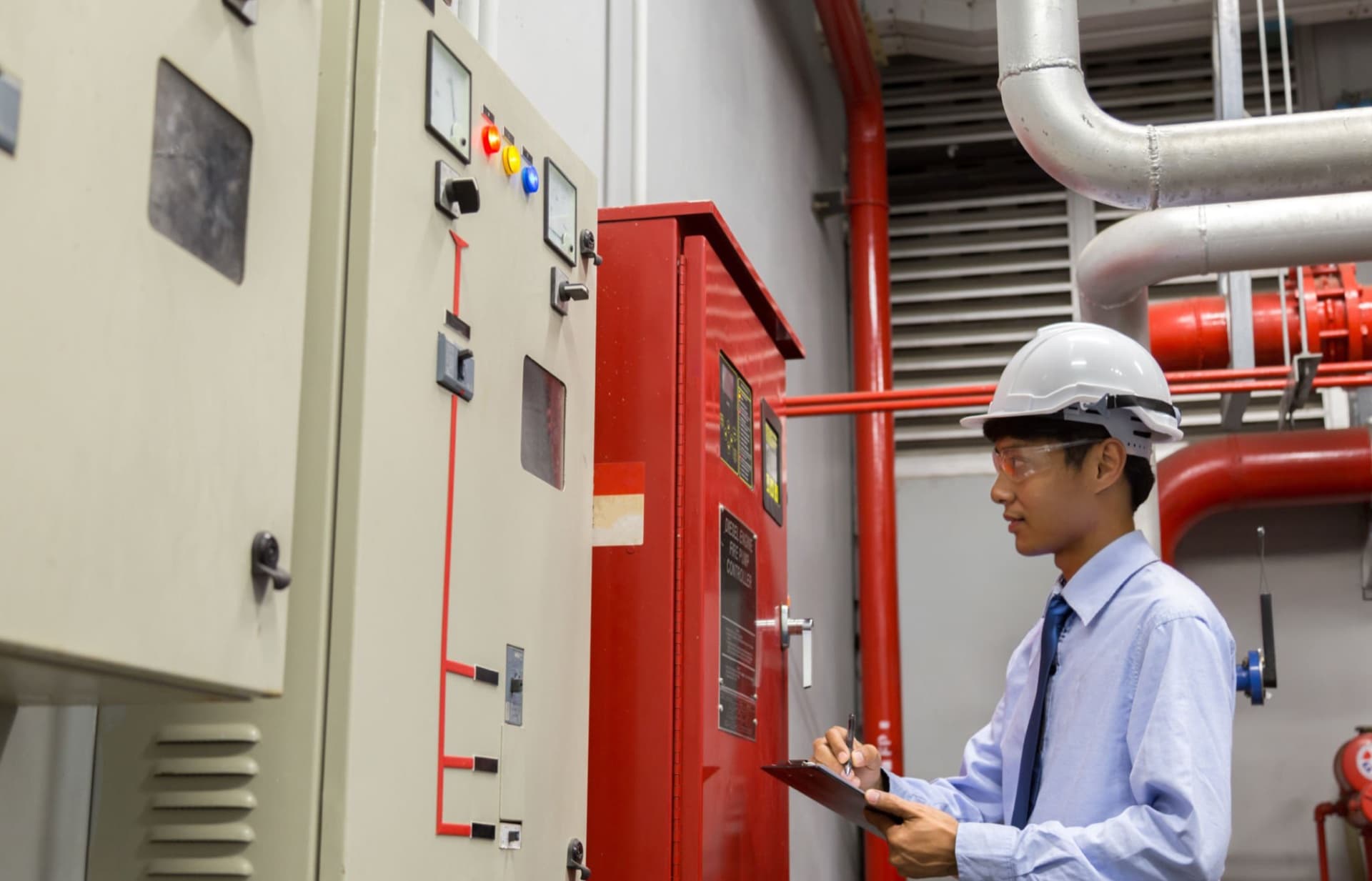
Hotels & Accommodation Facilities
Uninterrupted protection for guest safety
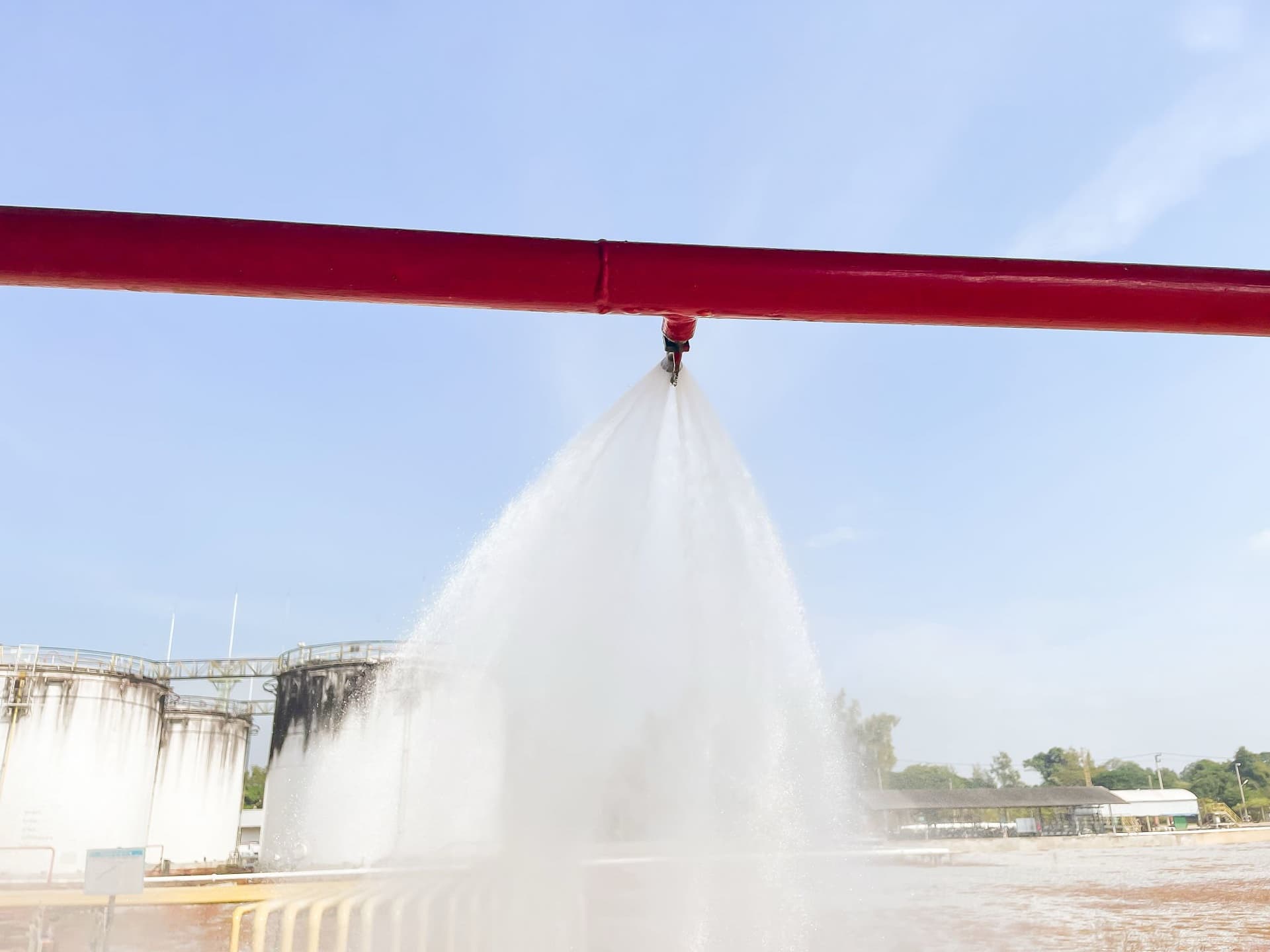
Furniture & Wood
Protection tailored to the high fire load of Kayseri's furniture industry
Textile & Fiber
Protection against high flammability risk in yarn, fabric, and fiber production
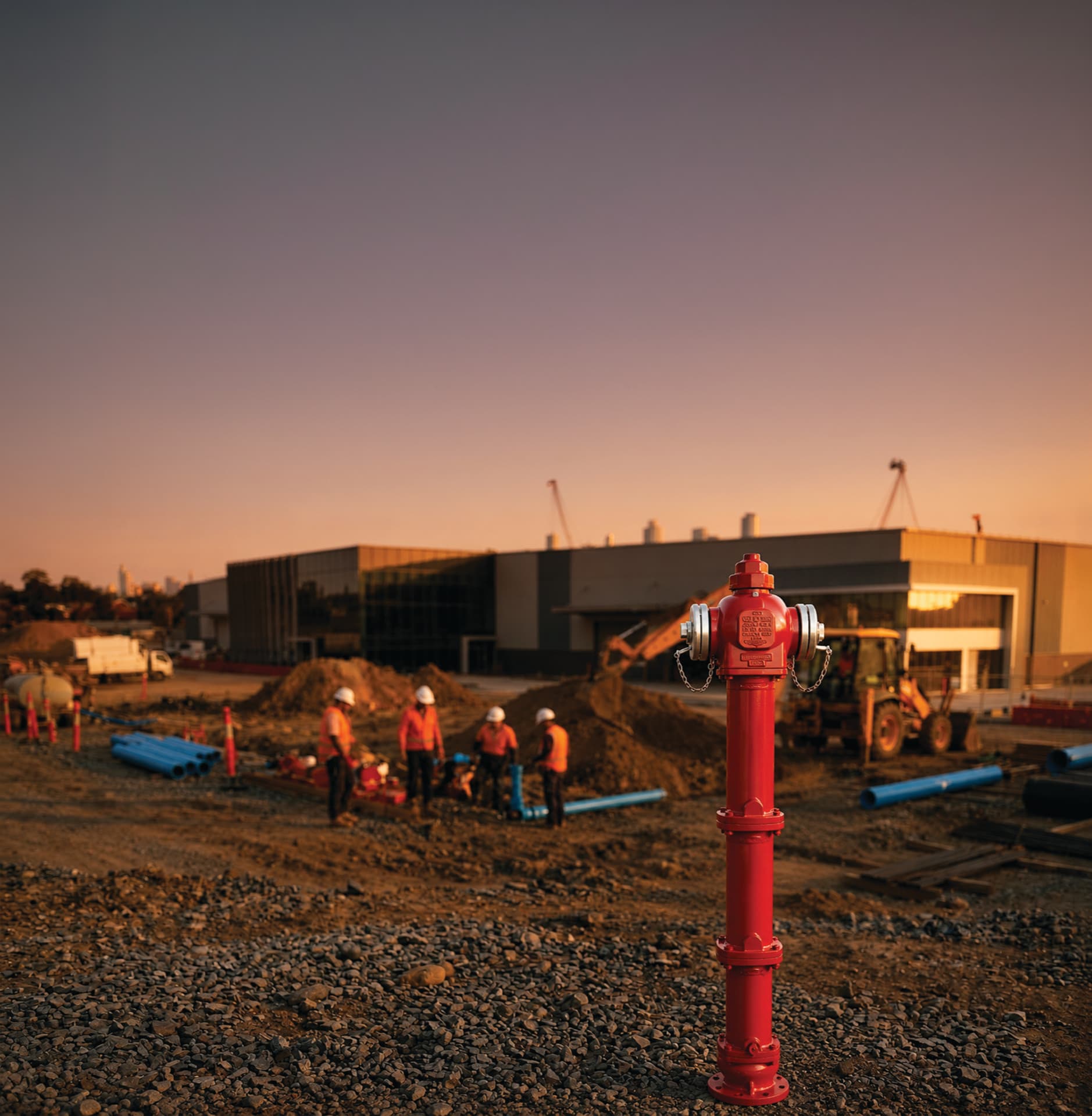
Warehousing & Logistics
Specialized protection for high-rack storage and wide-span structures
Hospitals & Healthcare
Precise protection for patient safety and critical equipment rooms
Let's map your facility's fire protection together.
Free site survey, hydraulic analysis and a fast quote. Our team can be on your site within 48 hours.