Textile & Fiber
Protection with fire department approval against dust accumulation and spark risk in yarn, fabric, and fiber production, using sprinkler, detection, and fire hydrant systems.
Why is fire protection different in this industry?
Textile and fiber production is a sector with continuously running machinery floors, where fine fiber and dust accumulation leads to rapid flame spread. The risk of spark-induced ignition in yarn, weaving, and finishing lines makes early detection critical; fabric roll and yarn bobbin warehouses, in turn, form high-density, fast-burning stock areas. Because production lines run without interruption, the suppression system must be commissioned section by section, with a project schedule that does not disrupt existing operations. Early warning for sparks and flames requires detection specific to the production line, and sprinkler design suited to the hazard class is needed for warehouse areas. Facilities in this sector are typically located on large parcels in organized industrial zones, which means the outdoor fire hydrant network must be planned with vehicle traffic in mind. The machine density on the production line and the continuous shift pattern also require the installation and commissioning schedule to be structured accordingly.
Solutions we deliver for this type of facility
- Sprinkler Systems
- Fire Detection and Alarm
- Fire Hydrant Network
- Fire Hose Cabinet Systems
- Fire Pump Set and Water Tank
System details for Textile & Fiber
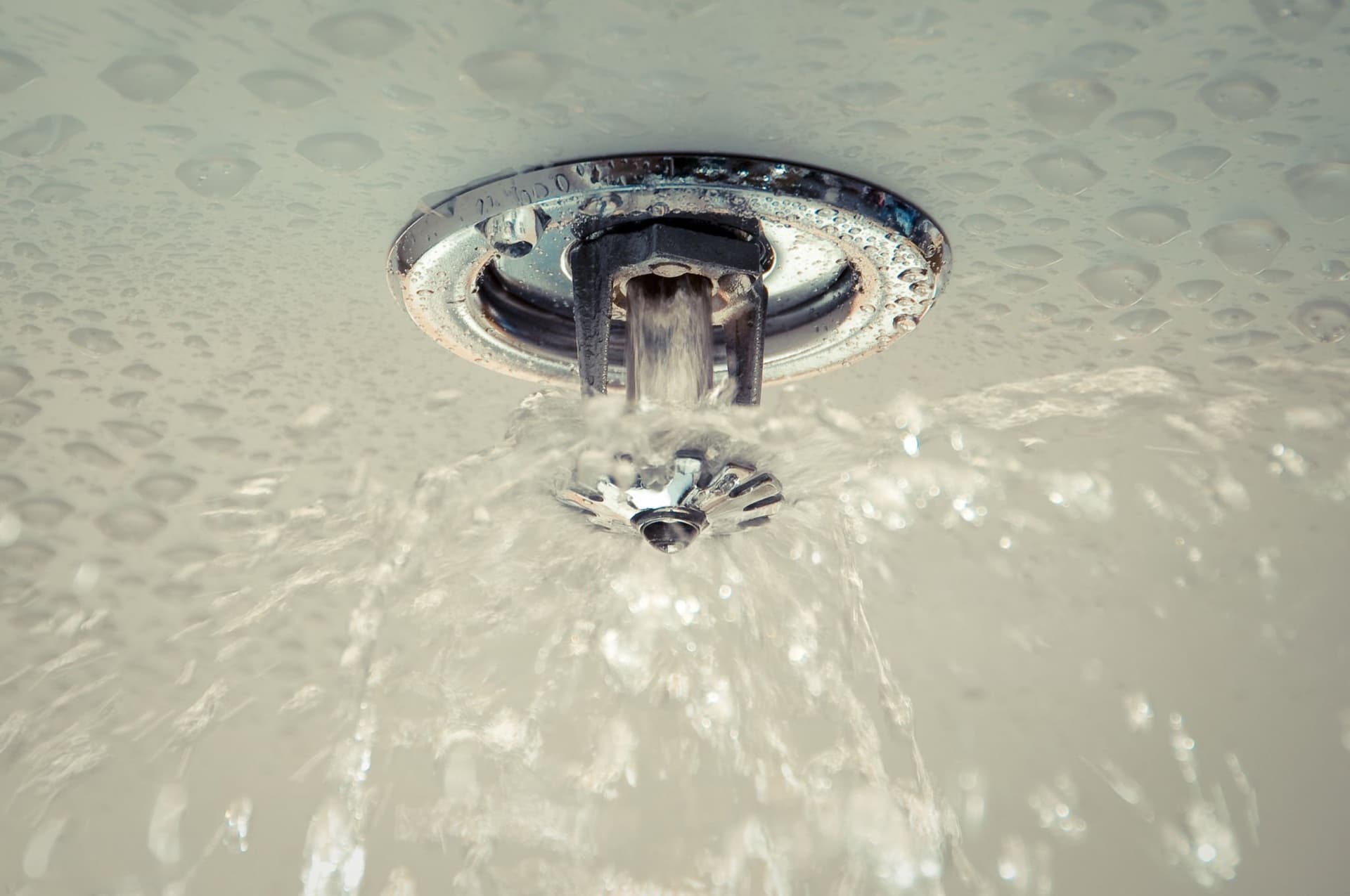
Sprinkler Systems
Automatic first-response protection
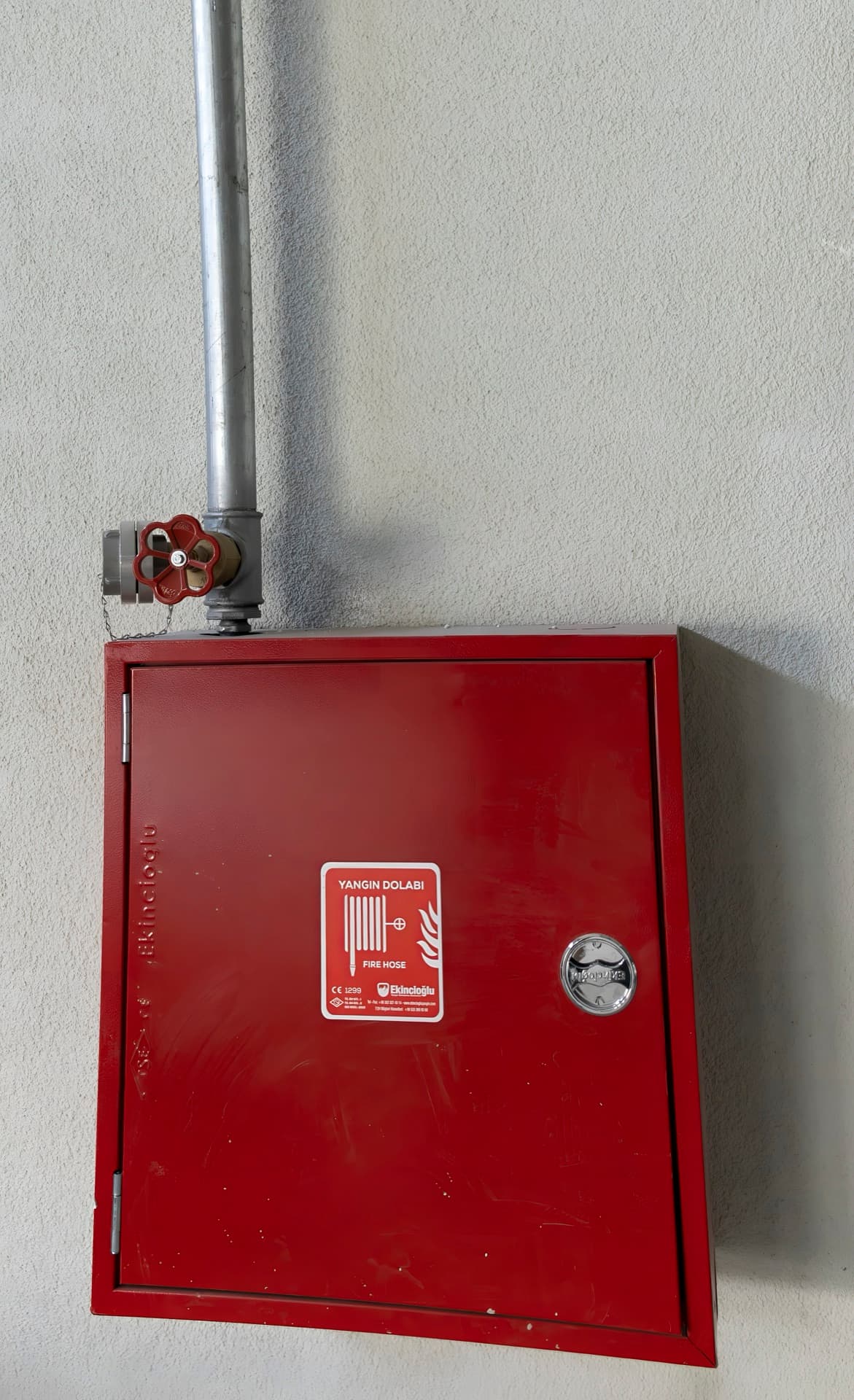
Fire Hose Cabinet Systems
Infrastructure for fast manual response
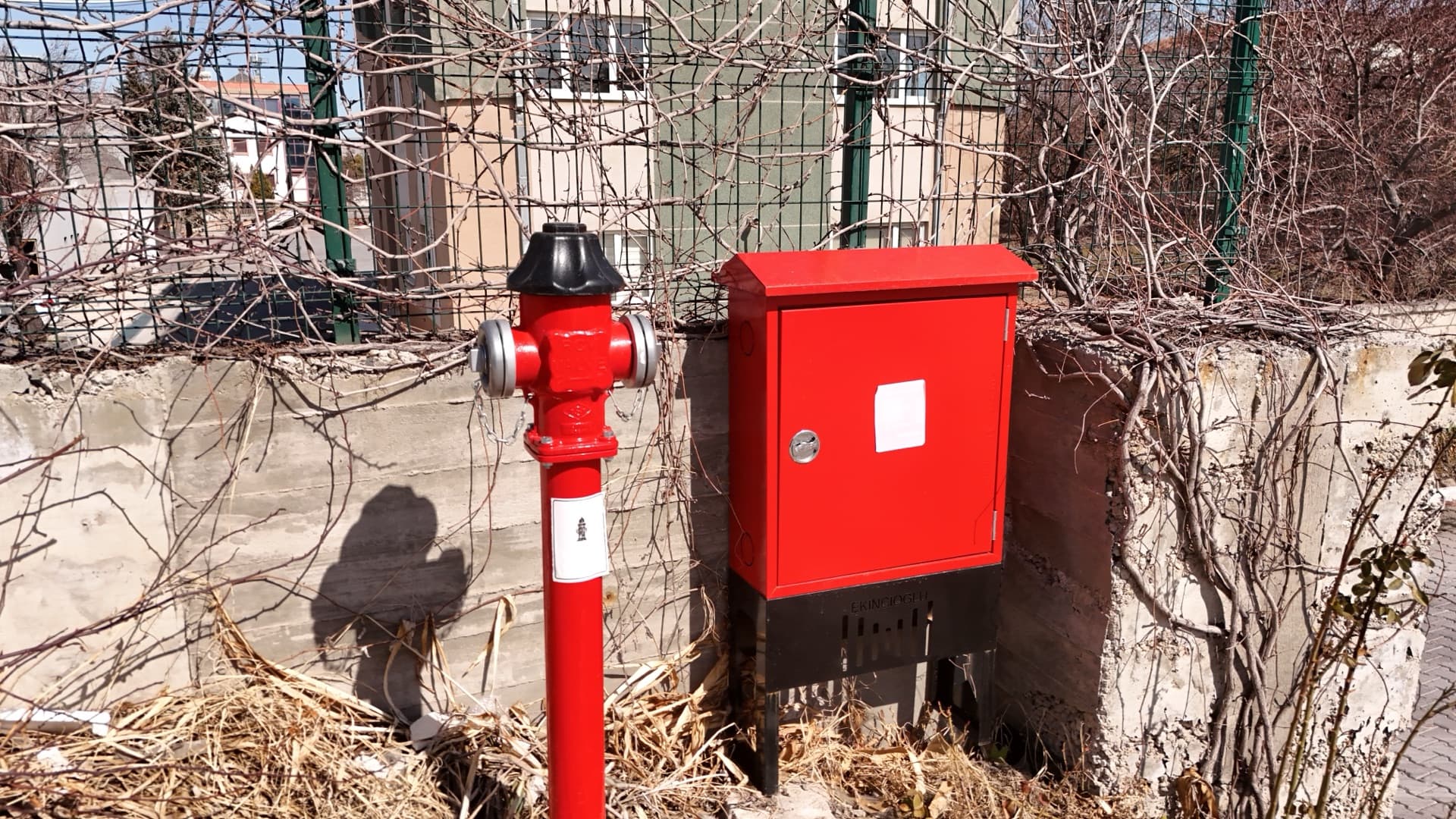
Fire Hydrant Systems
Uninterrupted protection infrastructure for large sites
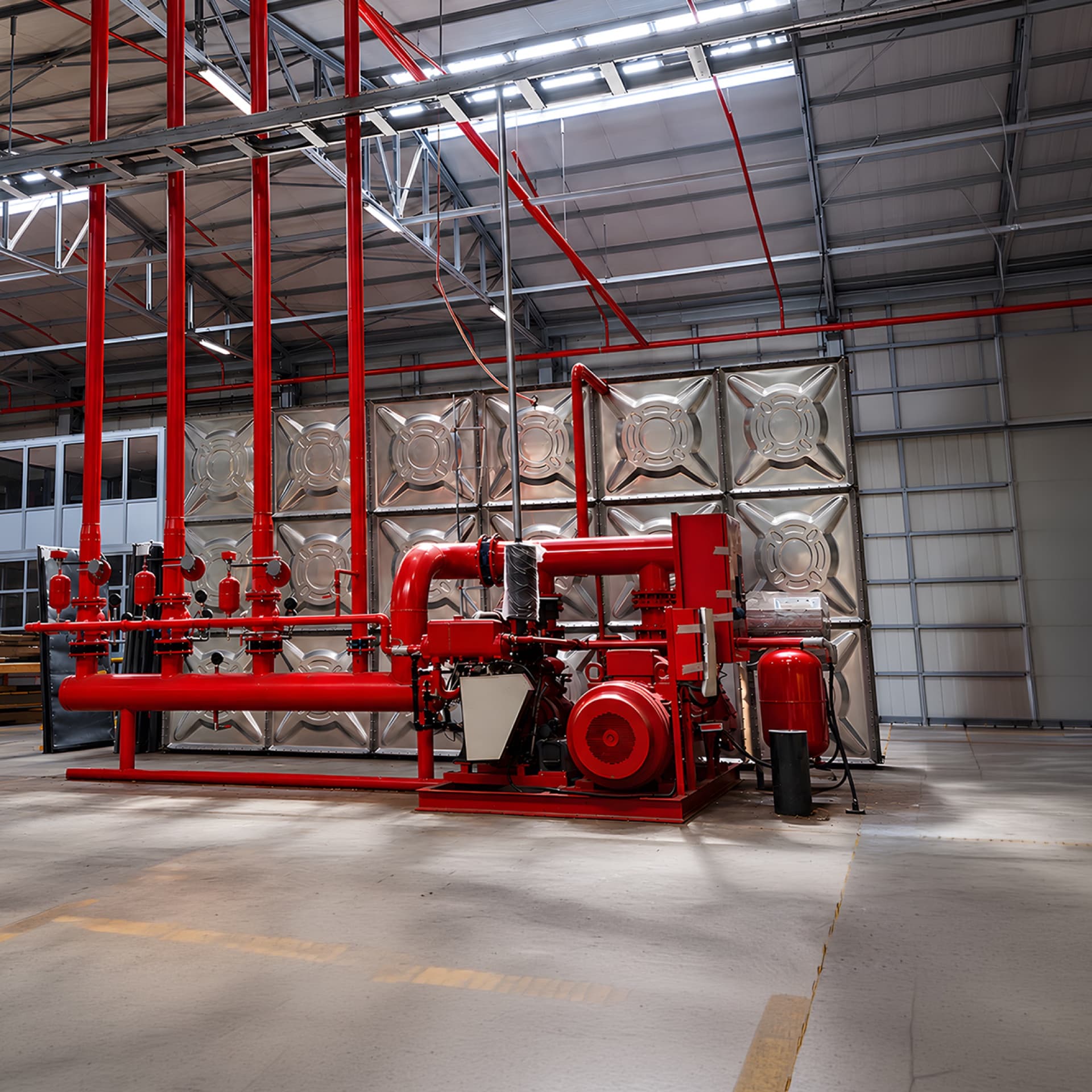
Mechanical Systems
Infrastructure for uninterrupted operation of suppression systems
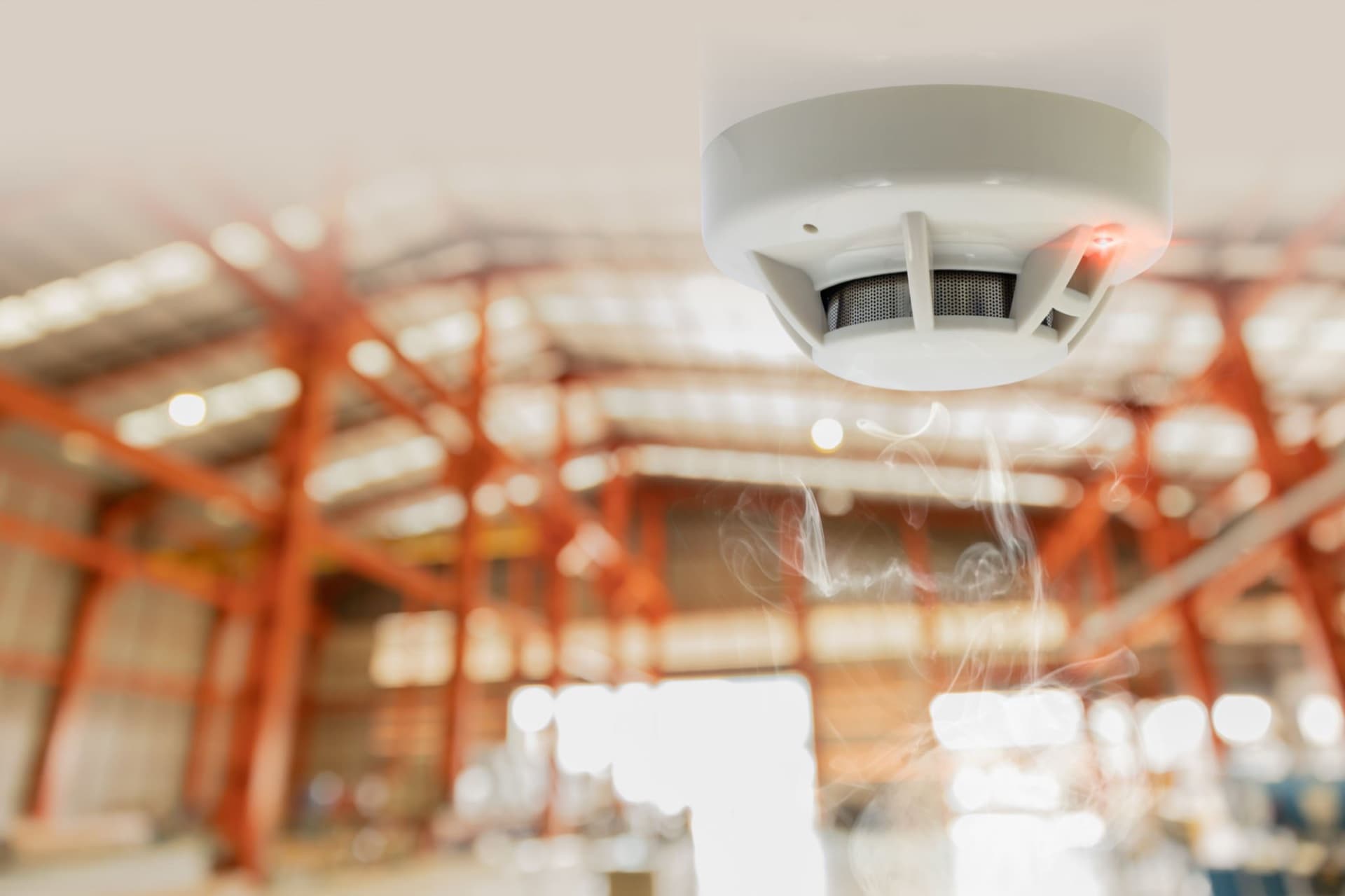
Fire Detection and Alarm Systems
Early detection, fast warning and controlled evacuation
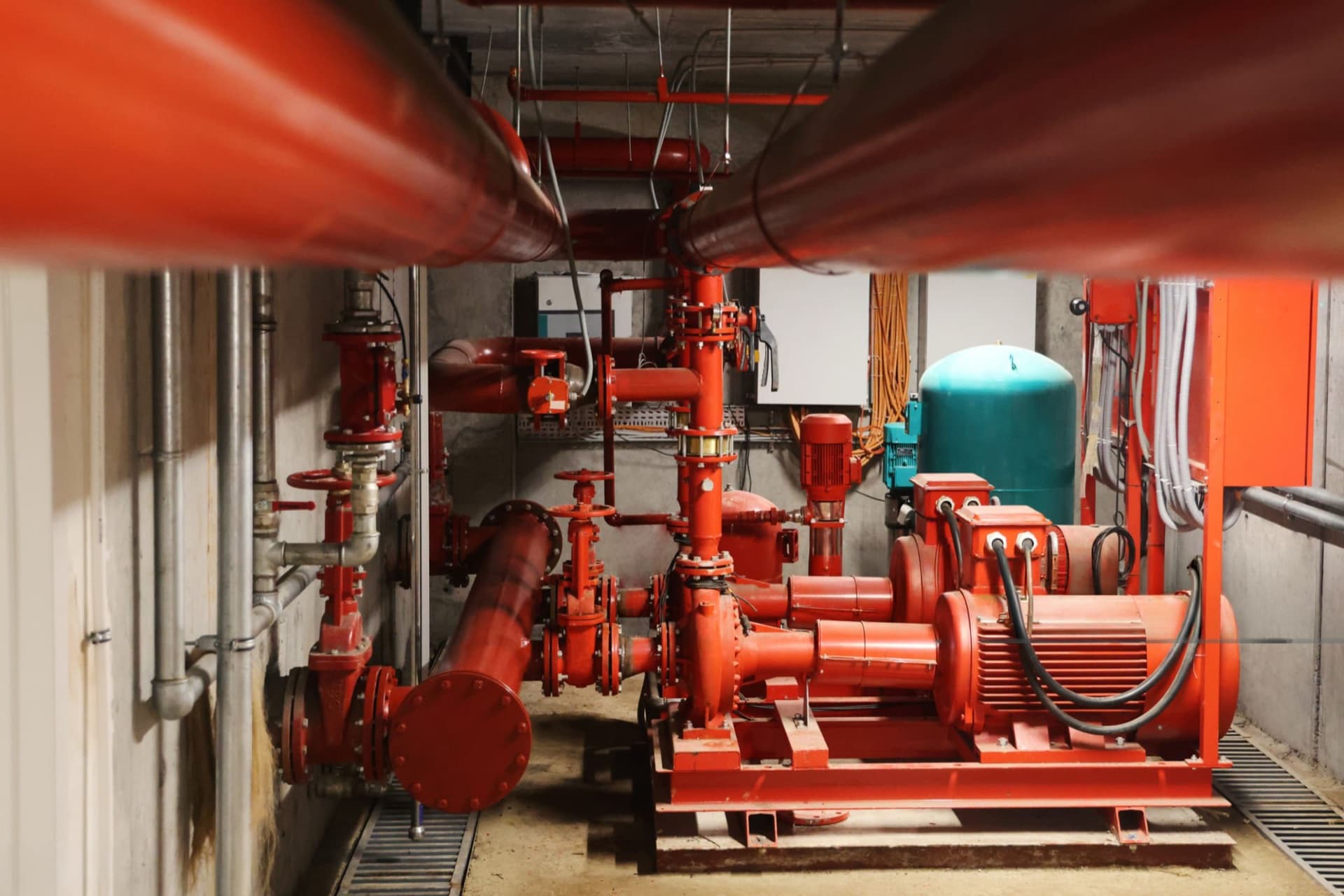
Fire Pumps and Pump Sets
Fire pump set groups
Our references in this industry






Textile & Fiber: frequently asked questions
Which areas in textile factories are subject to fire protection systems?
Production lines, yarn/fabric warehouses, and power rooms are evaluated according to risk class. Under BYKHY (Turkish Fire Protection Regulation), fire hose cabinets are mandatory in manufacturing and warehouse buildings with a total usable area above 1,000 m², and a fire hydrant network is mandatory in facilities with an enclosed area above 5,000 m².
Which detection system is used for spark risk?
UV/IR flame and spark detectors are used on production lines to catch spark-induced ignition early. These detectors have a short detection range, so they are positioned in particularly high-risk spaces such as machinery floors and power rooms.
What sprinkler approach is needed for fabric roll and yarn bobbin warehouses?
In high-piled storage areas (above 6 meters), ESFR sprinklers, which eliminate the need for in-rack sprinklers, may be preferred. Storage height and stacking arrangement are the key inputs to the hazard class calculation.
How is the fire hydrant network planned for facilities in organized industrial zones?
Fire hydrant lines are laid underground in HDPE pipe at a depth of 80–100 cm, at intervals determined by the hazard class. Outdoor vehicle traffic and parcel boundaries are taken into account when planning hydrant locations.
Can the system be installed while the production line is running?
Yes. Installation is carried out in sections; critical production lines are prioritized and commissioning is coordinated with shift planning, so production does not need to stop entirely.
Other Industries
See All
Factories & Industrial Facilities
Engineered protection against high fire loads
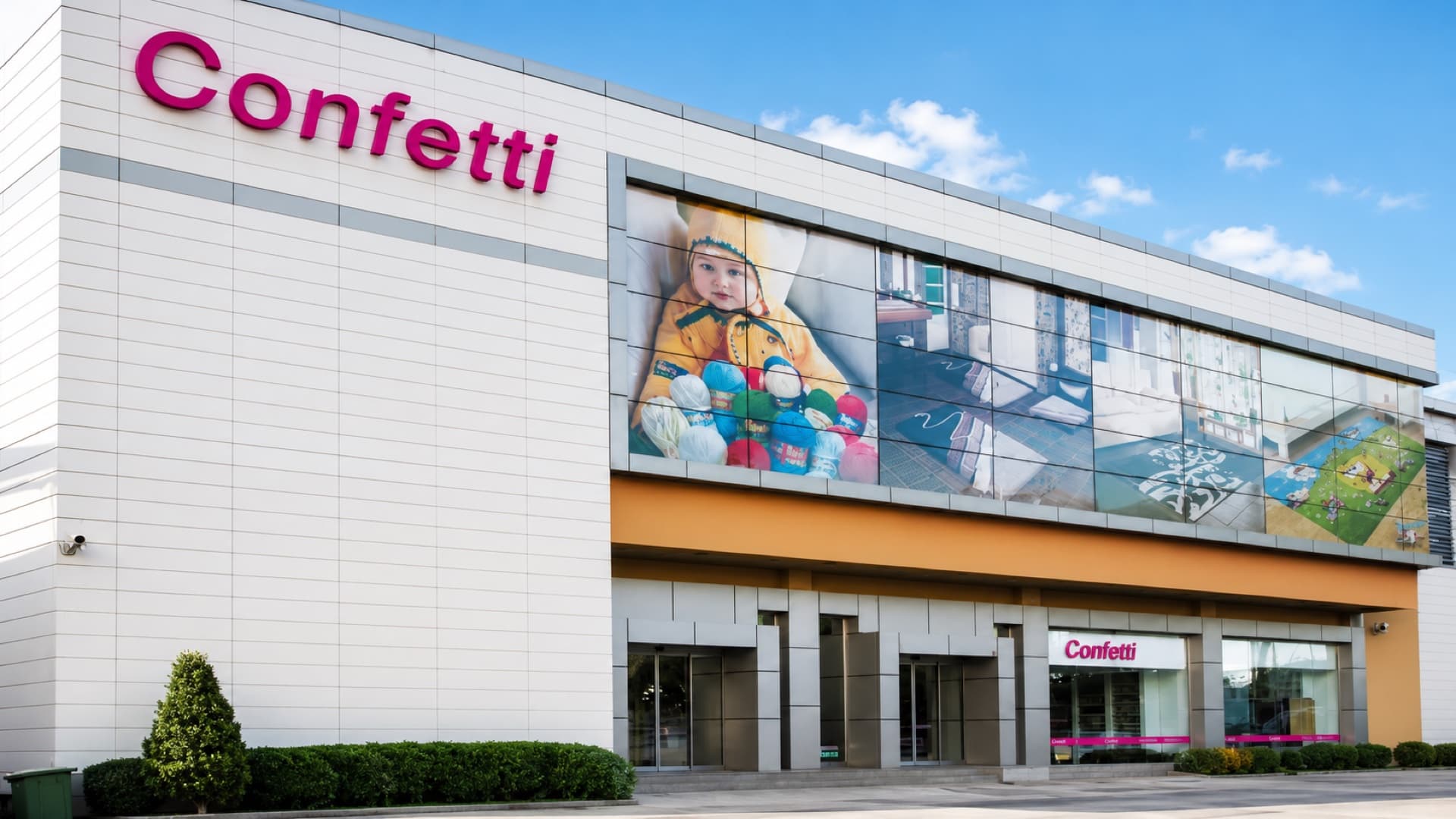
Shopping Malls & Commercial Buildings
Integrated protection for heavy occupant traffic
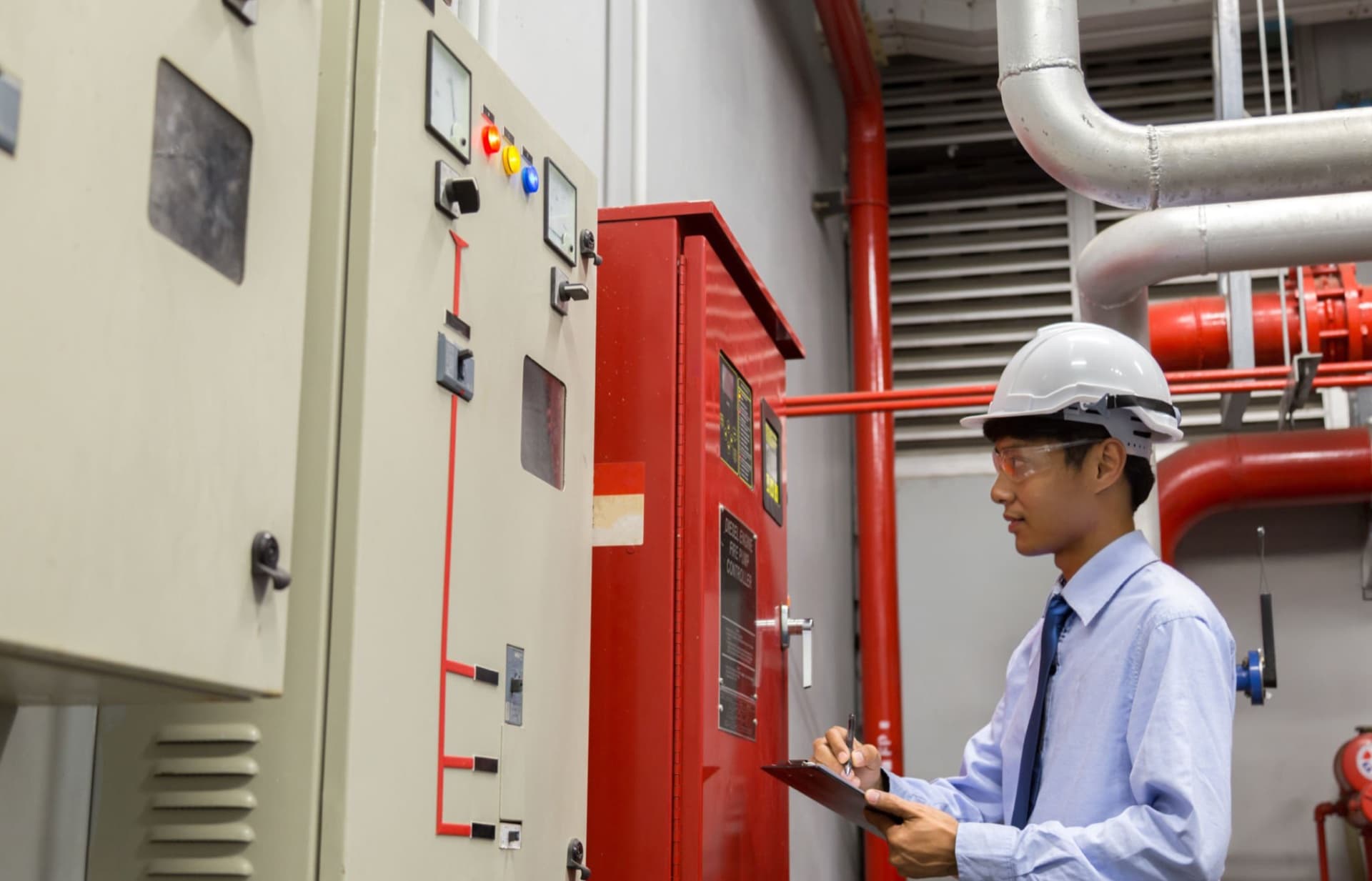
Hotels & Accommodation Facilities
Uninterrupted protection for guest safety
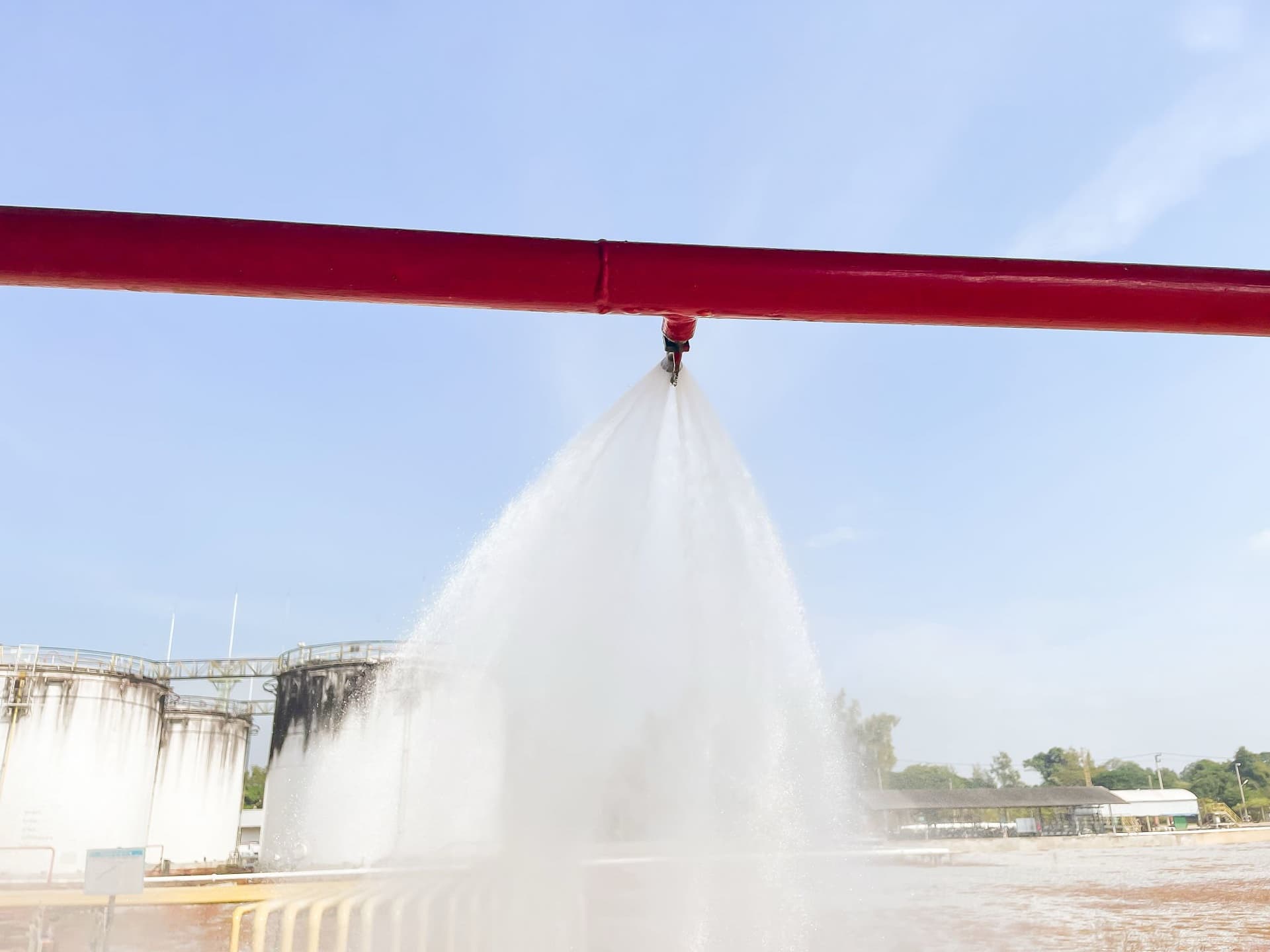
Furniture & Wood
Protection tailored to the high fire load of Kayseri's furniture industry
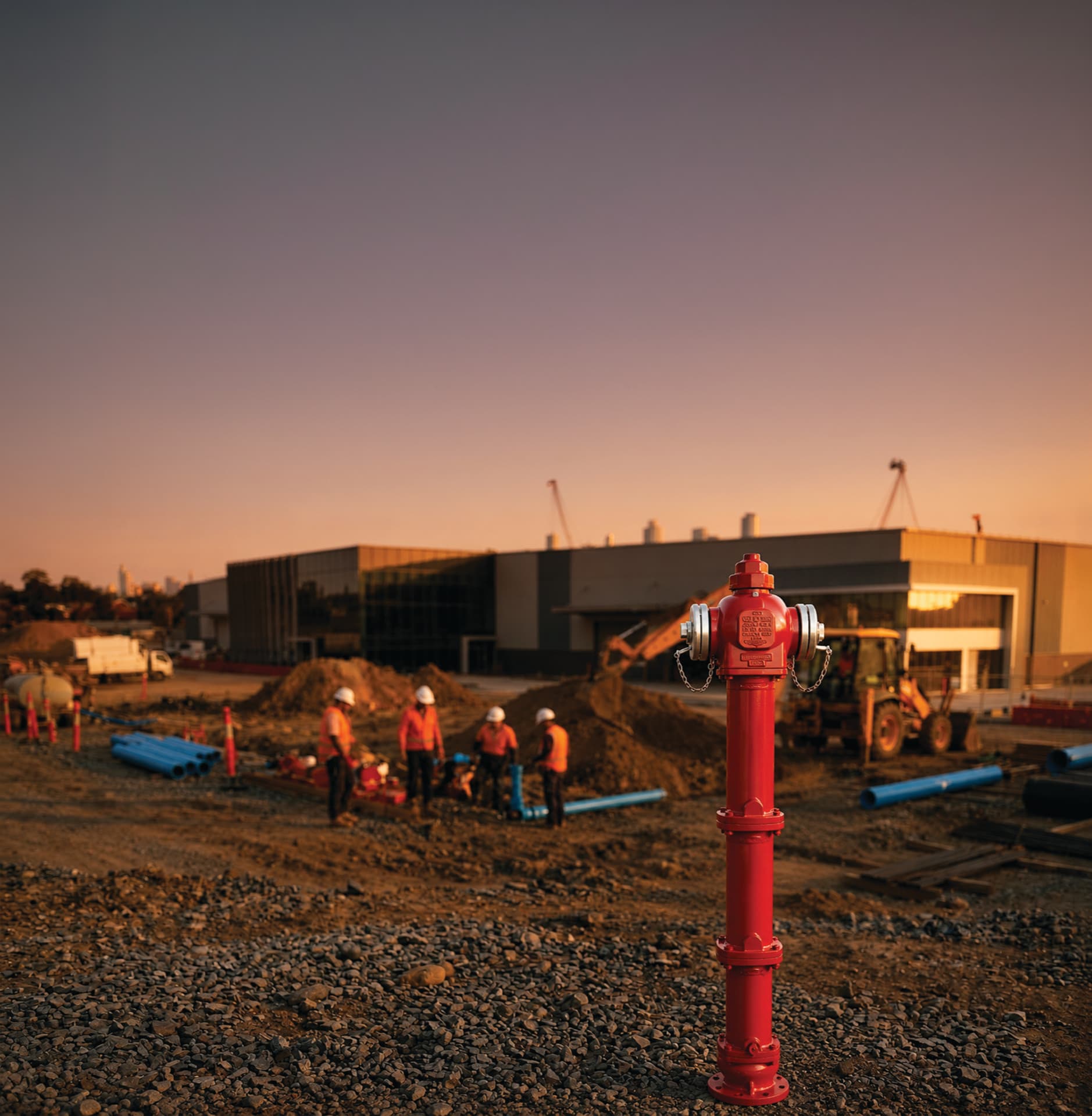
Warehousing & Logistics
Specialized protection for high-rack storage and wide-span structures
Hospitals & Healthcare
Precise protection for patient safety and critical equipment rooms
Let's map your facility's fire protection together.
Free site survey, hydraulic analysis and a fast quote. Our team can be on your site within 48 hours.